Activated Carbon Filters Removes Bad Smell In Water Used For Water Treatment Plant
Granular activated
carbon (GAC), which is used to eliminate specific compounds, such as organic
chemicals, from water, is the basic definition of an activated carbon filter.
This type of activated carbon filter can also be used to eliminate contaminants
that give water an unpleasant flavor or smell. such as chlorine or hydrogen
sulfide, which smells like rotten eggs. Total suspended solids, volatile
organic compounds, silt, heavy metals, and other pollutants in drinking water
can be efficiently eliminated by the presence of special qualities.
Carbon filters come
in a range of sizes for the commercial, industrial, and residential markets.
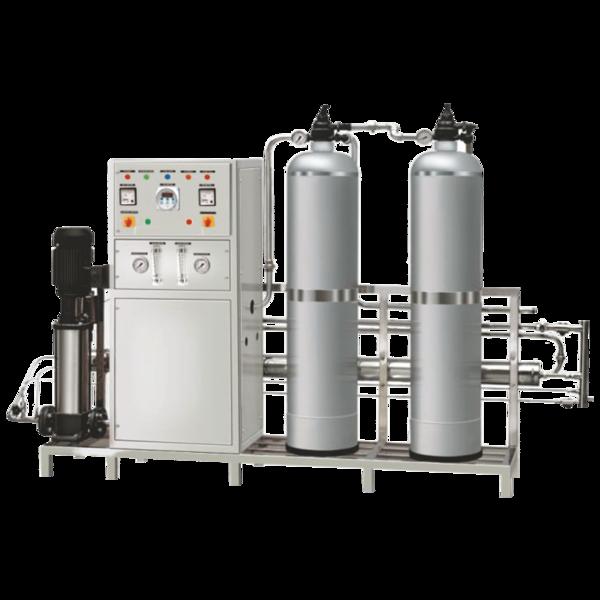
These activated carbon filters and filtration plants are composed of high-grade
stainless steel, mild steel with an epoxy coating on the outside, fiber reinforcement
polymer/composite vessels, and mild steel with a rubber liner that resists
corrosion. Activated carbon's primary purpose is to eliminate or absorb
contaminants from filtered water.
Working Mechanism Of Activated Carbon Filters
Small carbon
particles, similar to granular or powdered block form, that have been processed
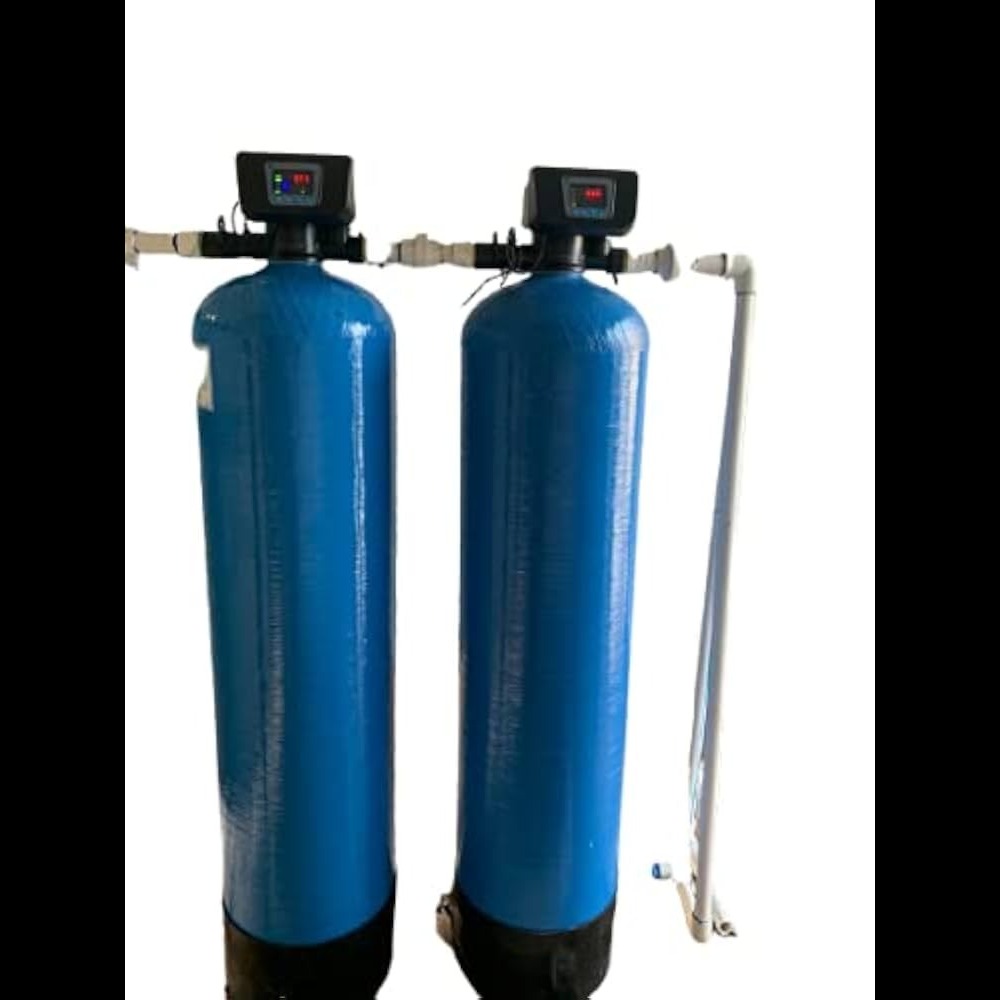
to be extremely porous make up activated carbon filters. FRP vessels and a
multiport valve will be part of this. Composite material vessels, fiber glass
plastic vessels, or FRP vessels. The flexibility, low weight, robustness, and
longevity of this FRP vessel make it a great choice for both commercial and
industrial water treatment systems. It serves as a substitute for stainless
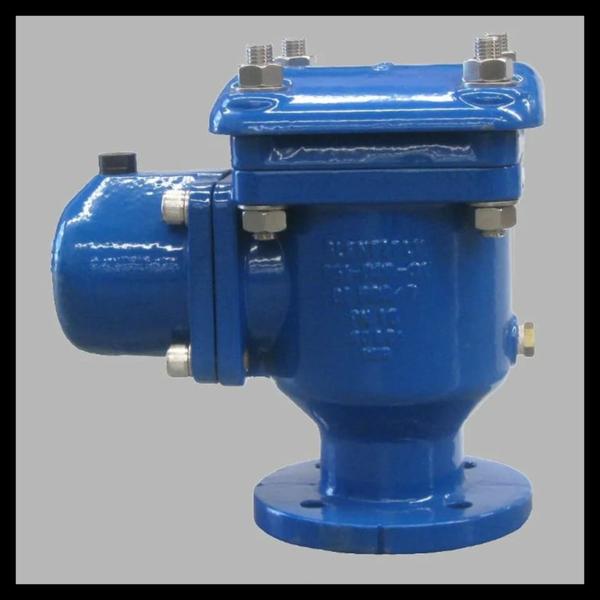
steel vessels. In industries, a multiport valve aids in lowering the quantity
of valves in the process line.
The pore structure of the activated carbon filter aids in capturing the contaminants within its carbon substrate. The filter's very porous substrate is made up of many carbon granules. The enormous surface area of each carbon granule substrate allows for the trapping of additional pollutants. Since activated carbon has a significantly larger surface area than untreated carbon, it can be utilized in filters.