Bengaluru water supply cut today: Why is the city facing
24-hour water disruption?
Bengaluru water supply cut:
The BWSSB alerted residents and asked them to store water and avoid wastage to
not face any inconvenience for next 24 hours.
Parts of Bengaluru have
been facing severe water woes for the last few months, and in recent days,
things have worsened for residents of the city. Areas like Mahadevapura,
Whitefield and Varthur, which have many high-rise apartments and posh
communities, are mainly facing the heat in the crisis. People living in
Bengaluru will face a 24-hour water supply disruption starting 6am on February
27 onwards till 6am on February 28. The Bangalore Water Supply and
Sewerage Board (BWSSB) announced the shutdown to conduct essential maintenance work and
install Unaccounted For Water (UFW) bulk flow meters.
How Bengaluru gets water?
Most parts of Bengaluru get water from the Cauvery River with
authorised BWSSB connections. The city is reportedly getting 1,450 million
litres of Cauvery water per day and still is falling short of the requirement.
Roughly 1,700 million litres of water per day is required for Bengaluru city
for its daily needs.
However, those who do
not have a Cauvery water connection have been getting water from their
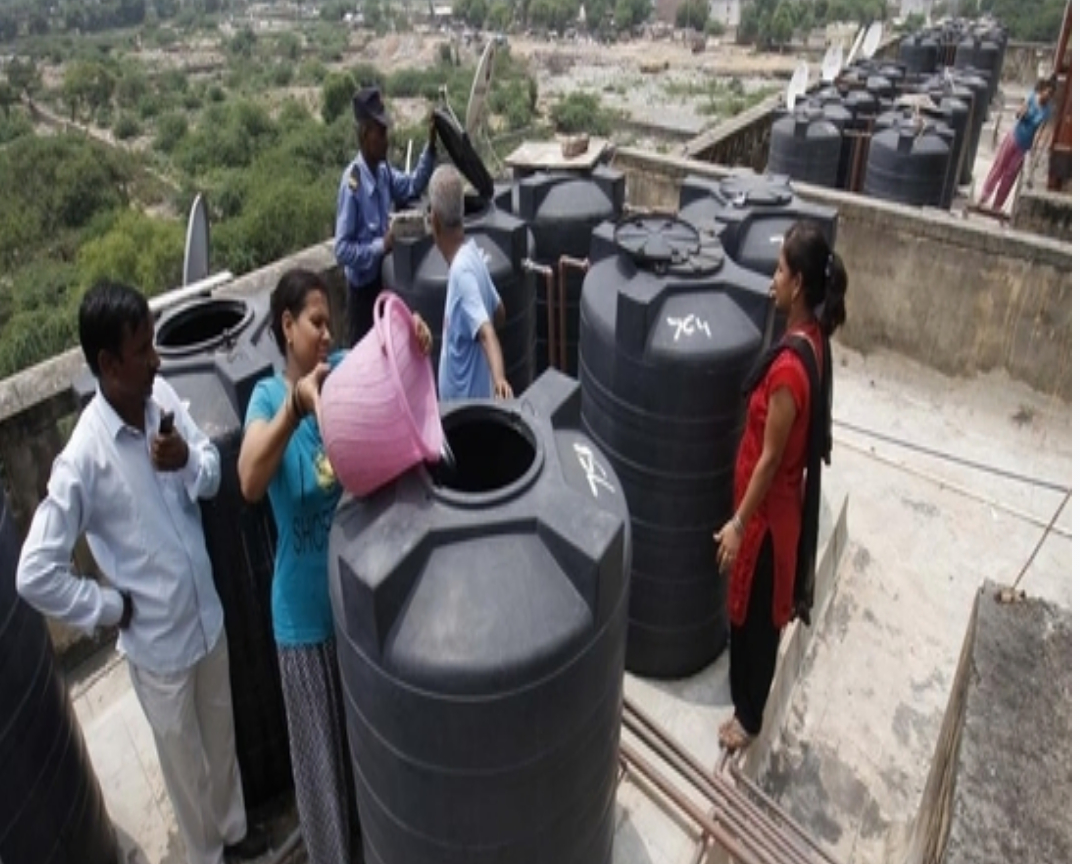
borewells and water tankers. Most of the swanky apartments in east Bengaluru
depend entirely on these borewells and water tankers.
Why is there a severe water crisis in Bengaluru?
Though there are
multiple reasons for the current severe water woes in the IT hub, severe
drought is considered one of the significant reasons. The lack of rainfall in
the past year has decreased water levels in the Cauvery River and not just the
drinking water, but there has been a shortfall in the supply of water for
irrigation needs as well. The borewells in Bengaluru, too, are running dry due
to deficit rainfall in the past few months.
People also allege that Bengaluru water tankers are trying to benefit from the crisis and
charging exorbitant amounts from the residents. A 1000-litre water tanker that
used to cost ₹600 to ₹800 is now costing more than ₹2000; most of the apartments dependent on water
tankers have no way other than buying from these water suppliers. They also
demand the government to put a price cap on these water tankers and restrict
them from overcharging.
People were seen
standing in long lines holding water cans for drinking water in Bengaluru in
the recent past. Though the city has been facing minor drinking water problems
for a long time now, water shortages of this extent are rare.
What is Karnataka government doing?
The BBMP has noted the
urgency of the situation, and on Saturday, a level meeting was conducted to
handle the situation. The civic body allocated a substantial budget of ₹131 crores for drilling bore wells in priority
zones, including Mahadevpur, RR Nagar, Bommanahalli, Dasarahalli, and
Yelahanka, and 110 surrounding areas.
In an announcement,
BBMP said, “Efforts are also underway to address the depletion of tubewells
within the city. With more than 1,200 tubewells dried up out of 10.84 lakh
connections, authorities have prioritised repairs and maintenance to restore
their functionality.”