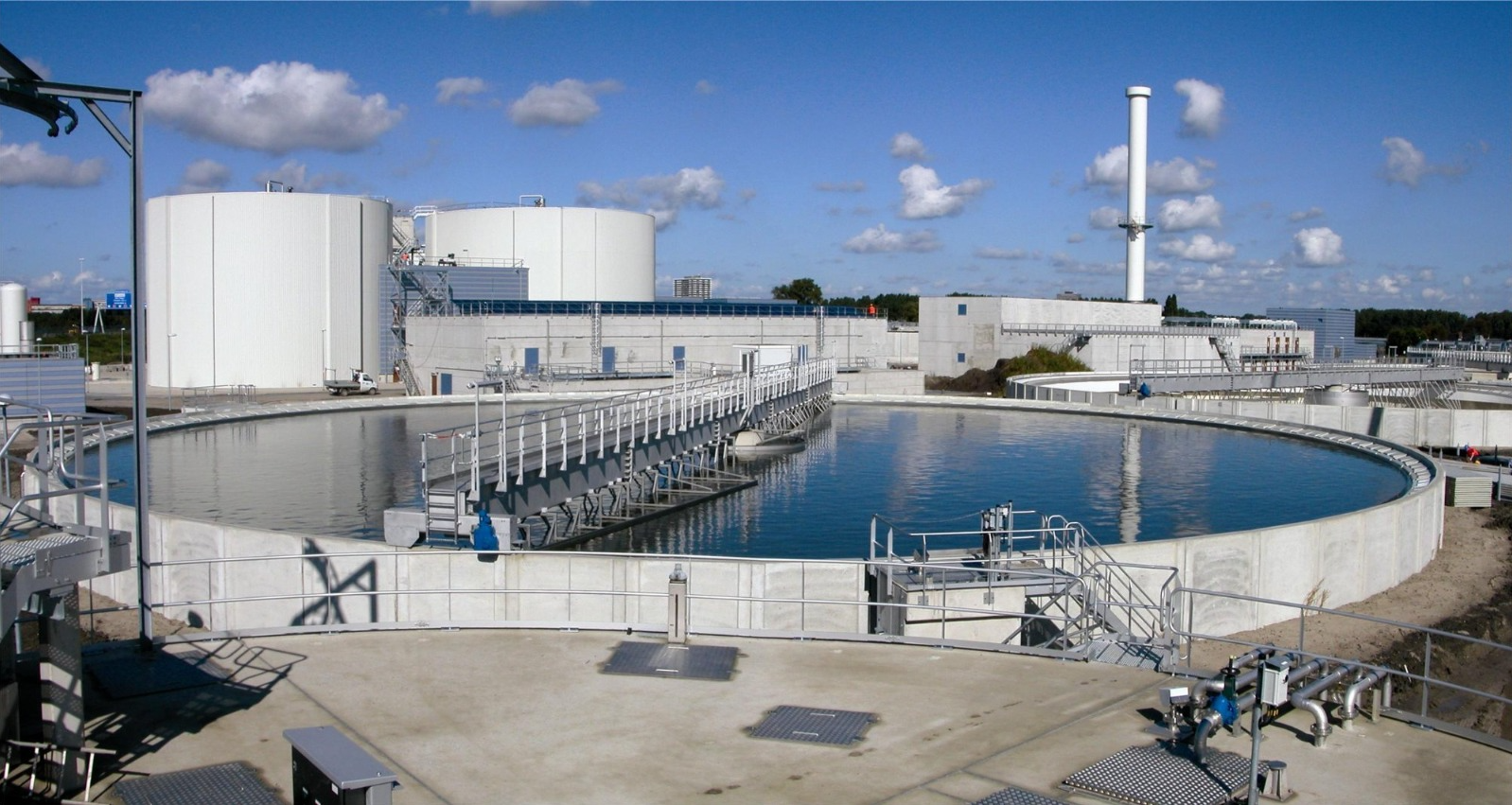
EFFLUENT TREATMENT
PLANT
We Design, Manufacture, Supply,
Erection and Commissioning Effluent Treatment Plant ( ETP) on Turnkey basis for
various types and natures of wastewaters, Effluents which combines advanced
physico-Chemical treatment processes with tertiary polishing system for the
removal of organic, inorganic, oil and grease, heavy metal & suspended
solids.
TECHNOLOGY OF EFFLUENT TREATMENT PLANT
Before being released into the environment or used
again, industrial wastewater is treated using Effluent Treatment Plant (ETP)
technology, which combines physical, chemical, and biological processes. The
kind and am
Chemical Treatment:
Neutralization: Brings the pH
within a range that is appropriate for the activities that follow
(6–9).
Coagulation and flocculation: Use chemicals to group small particles
together so they can be removed more easily.
Disinfection: Uses techniques
like ozonation, UV light, or chlorine to render microorganisms inactive.
Biological Treatment:
Utilizing
microorganisms, the activated sludge process breaks down organic materials.
Trickling Filters: Pollutants are eliminated by microorganisms as wastewater
trickles across a medium.
Aerated Lagoons: To aid in biological treatment, wastewater is stored in
shallow ponds that are aerated.
Rotating Biological Contactors: Pollutants are eliminated by microorganisms
when wastewater passes over revolving discs.
Tertiary Treatment, or Advanced Treatment:
In order to eliminate impurities, reverse osmosis pushes water across a
semi-permeable membrane.
Membrane Bioreactors (MBRs): Produce high-quality effluent by combining
membrane filtration and biological treatment.
Treatment and Disposal of Sludge:
Sludge dewatering: Lowers the sludge's volume and moisture content.
Sludge Disposal: Get rid of sludge by composting, landfilling, or producing
biogas.
Examples of ETP
Technologies:
Activated Sludge Process: A popular biological treatment technique involves mixing wastewater with
sludge, or microorganisms, in an aerated tank, where the bacteria eat organic
debris.
Membrane Bioreactors
(MBRs): a mix of membrane filtration and biological treatment
that makes it easier to reuse and produces higher-quality treated water.
Reverse Osmosis: a pressure-driven membrane method that creates extremely pure water by
filtering out dissolved solids and other contaminants from wastewater.
UV Disinfection: eliminates wastewater bacteria using UV light, guaranteeing that the
treated water is suitable for reuse or discharge.
Benefits of ETPs:
Environmental Protection:
eliminates contaminants from industrial wastewater before it is sent into
the environment, therefore reducing pollution.
Water Resource Conservation: makes it possible to repurpose cleaned water for uses other than
drinking, such as cooling and irrigation.
Compliance with Regulations: assists businesses in adhering to environmental regulations and avoiding
fines for exceeding discharge limitations.
Cost Savings: can save treatment expenses and lessen the requirement for fresh water
than releasing untreated wastewater.
Strength of ETP’s:
Quality Check: Its is quality
rather than quantity that matters
Technical Depth: We develop in
depth knowledge, it enable is to give our best
Teamwork: We all work
together because we know that a strong team will always outperform strong
individuals
Inspiration: We will inspire
to be the best we can be, We will recognize and celebrate success
ount of industrial
effluent, along with the impurities present, determine the precise technique
used.
Key Technologies and Processes in ETPs:
Physical Treatment:
Sedimentation: Removes suspended
materials by using gravity.
Filtration: After sedimentation, it eliminates any leftover particles.
Grit Chambers: Get rid of heavy inorganic materials like gravel and
sand.
Clarifiers: Before biological treatment, settled solids are mechanically
removed.
Flocculation and Coagulation: Use chemicals to enhance the settling of
tiny particles.