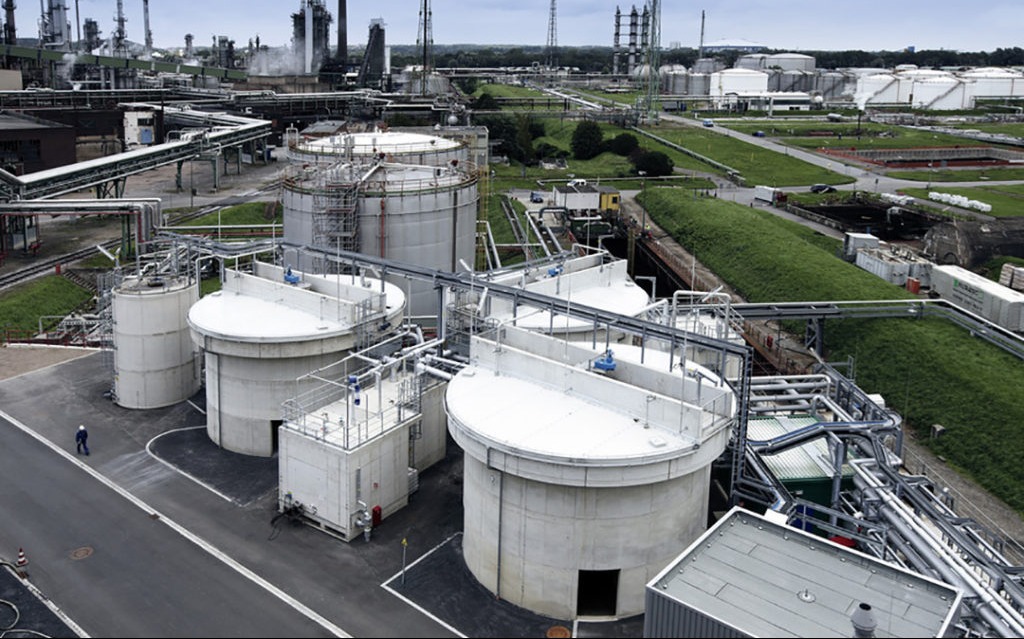
Grey Water Treatment
Grey water treatment mention to the process of treating and reusing grey
water, which is wastewater from non-toilet plumbing sources like sinks,
showers, bathtubs, and washing machines. This water can be treated and
reused for non-potable purposes such as irrigation, toilet flushing, and
even cooling systems, reducing water waste and conserving fresh water.
Grey Water Treatment Methods
- Filtration – Removes
large particles and debris using sand, gravel, or mesh filters.
- Sedimentation – Allows
solids to settle at the bottom, making water easier to treat.
- Biological
Treatment – Uses bacteria to break down organic matter (e.g., constructed
wetlands, biofilters).
- Chemical
Treatment – Disinfection using chlorine, ozone, or ultraviolet (UV) light to
kill bacteria and pathogens.
- Membrane
Filtration – Advanced filtration (e.g., microfiltration, ultrafiltration) to
remove fine contaminants.
Benefits of Grey Water Treatment
- Reduces freshwater
consumption by recycling water for secondary uses.
- Lowers
wastewater discharge and minimizes stress on sewage
systems.
- Supports
sustainable landscaping by providing irrigation water.
- Saves money on
water bills by reusing treated water.
Importance of Grey Water Treatment
Grey water treatment plays a crucial role in water conservation,
environmental sustainability, and cost savings. Here’s why it's important:
Water Conservation
- Reduces
Freshwater Demand – Reusing gray water for
irrigation, toilet flushing, or cleaning lowers the need for freshwater.
- Helps in
Drought-Prone Areas – In regions with limited water
resources, grey water reuse ensures water availability for essential
needs.
Environmental Benefits
- Reduces
Pressure on Sewage Systems – Treating and reusing gray
water reduces the amount of wastewater flowing into municipal treatment
plants.
- Prevents Water
Pollution – Untreated wastewater can pollute rivers and lakes, but proper grey
water treatment minimizes contamination.
- Enhances Soil Health – Grey water used for irrigation can provide nutrients to plants when properly filter
Cost Savings
- Lowers Water Bills – Households and businesses can cut down on utility costs by reusing grey water.
- Reduces Infrastructure Costs – Communities can save money by reducing the need for large-scale wastewater treatment facilities
Energy Efficiency
- Saves Energy
Used for Water Treatment – Treating and distributing
freshwater requires significant energy. Reusing grey water locally reduces
this energy consumption.
Supports Sustainable Living
- Encourages
Eco-Friendly Practices – Grey water recycling promotes
a sustainable lifestyle by making efficient use of water resources.
- Boosts Green
Building Certifications – Many sustainable construction
projects incorporate grey water recycling to meet environmental standards
like LEED (Leadership in Energy and Environmental Design).