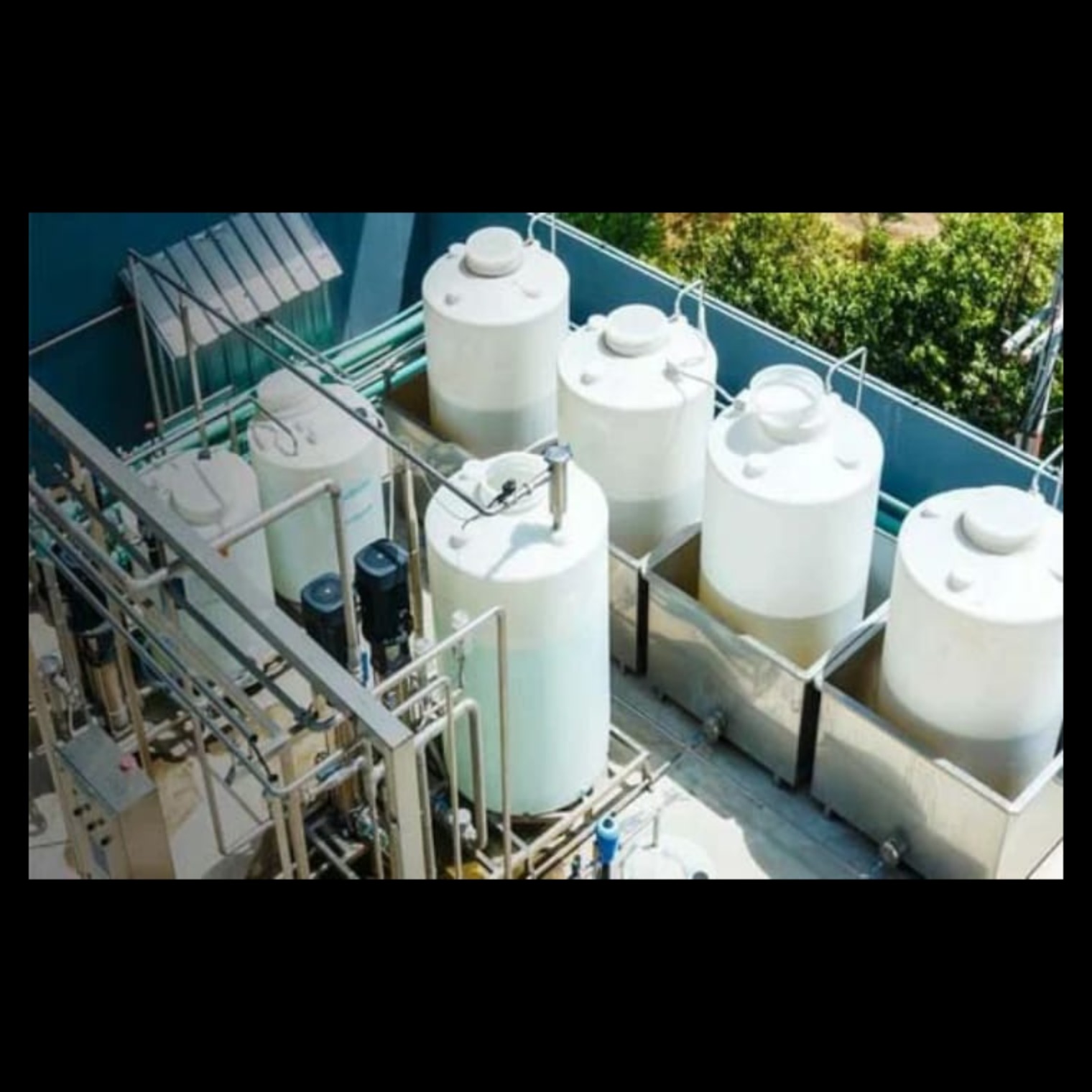
GREY WATER TREATMENTS
Grey water treatment is the process of utilizing wastewater from household tasks like laundry, bathing, and washing for landscaping, irrigation, and toilet flushing. Compared to blackwater (sewage), this kind of water is safer to handle and clean since it is free of fecal contamination.
Grey Water Treatment Process:
- Pre-filtration: Removing larger particles and debris
- Sedimentation: Allowing solids to settle
- Flotation: Separating lighter particles
- Post-filtration or UV disinfection: Further purifying the water
Treatment Technologies:
- Ultrafiltration systems: Act as barriers to microbiological organisms like viruses and bacteria
- Membrane bioreactor technology: Combines membrane filtration with activated sludge process for compact and reliable solutions
- Constructed wetlands: Utilize plants to absorb nutrients and contaminants
Benefits of Grey Water Treatments :
- Water conservation: Reduces demand on conventional water supplies
- Energy savings: Decreases energy used for water treatment and pumping
- Environmental benefits: Minimizes wastewater entering watercourses and supports local ecosystems
Considerations of grey Water Treatments:
- Water quality: Gray water can contain pathogens, soap residues, and microplastics, requiring proper treatment and handling
- Local regulations: Check with local authorities for specific guidelines and permits required for gray water reuse
- System design: Proper design and installation are crucial for effective and safe gray water treatment
- Water Conservation: Reduces demand on potable water supplies, conserving this precious resource.
- Decreased Water Bills: Reusing grey water can lower water bills, especially for irrigation and toilet flushing.
- Reduced Wastewater: Minimizes the amount of wastewater entering sewage systems and watercourses.
- Environmental Benefits: Helps protect local ecosystems and water bodies by reducing wastewater discharge.
- Energy Savings: Decreases energy used for water treatment and pumping.
- Increased Water Efficiency: Supports sustainable water management practices.
- Drought Resilience: Provides an alternative water source during droughts or water restrictions.
- Reduced Strain on Municipal Systems: Eases the burden on municipal water and wastewater infrastructure.