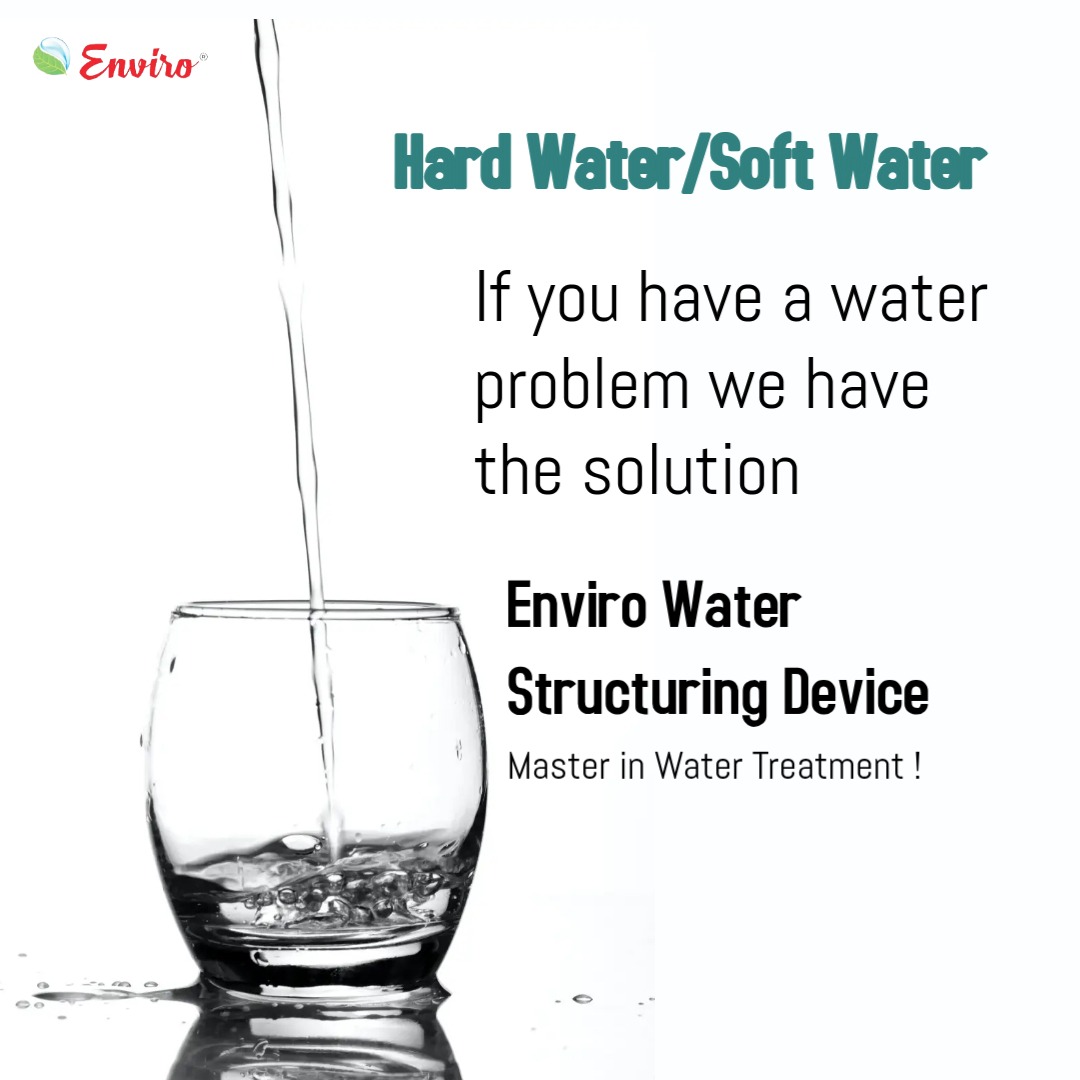
What is Hard Water
Why is it called “Hard”?
Common Problems Caused by Hard Water
Scaling inside pipes, boilers, heaters, and pumps
-
Reduced efficiency of water heaters (increases power consumption)
-
White spots on taps, utensils, and bathroom fittings
-
Soap wastage because lather formation is less
-
Dry skin and dull hair after bathing
How Hard Water Forms
Types of Hardness
Temporary Hardness
Caused by bicarbonates (removable by boiling)-
Permanent Hardness
Caused by sulfates and chlorides (not removed by boiling, requires treatment)
What is Soft Water ?
Key Characteristics of Soft Water
-
Forms rich lather with soap easily
-
Does not cause scale or white deposits on faucets and appliances
-
Feels smooth on skin and hair
How Soft Water is Produced
Soft water can occur naturally, but it is commonly made using:
-
Ion exchange water softeners (replace calcium & magnesium with sodium/potassium)
-
Reverse osmosis (RO) systems
-
Chemical softening for industrial use
Benefits of Soft Water
-
Protects pipelines and equipment from scale
-
Improves efficiency of boilers, heaters, and pumps
-
Enhances lifespan of RO membranes and appliances
-
Better cleaning — less soap/detergent needed
-
Improves skin and hair texture