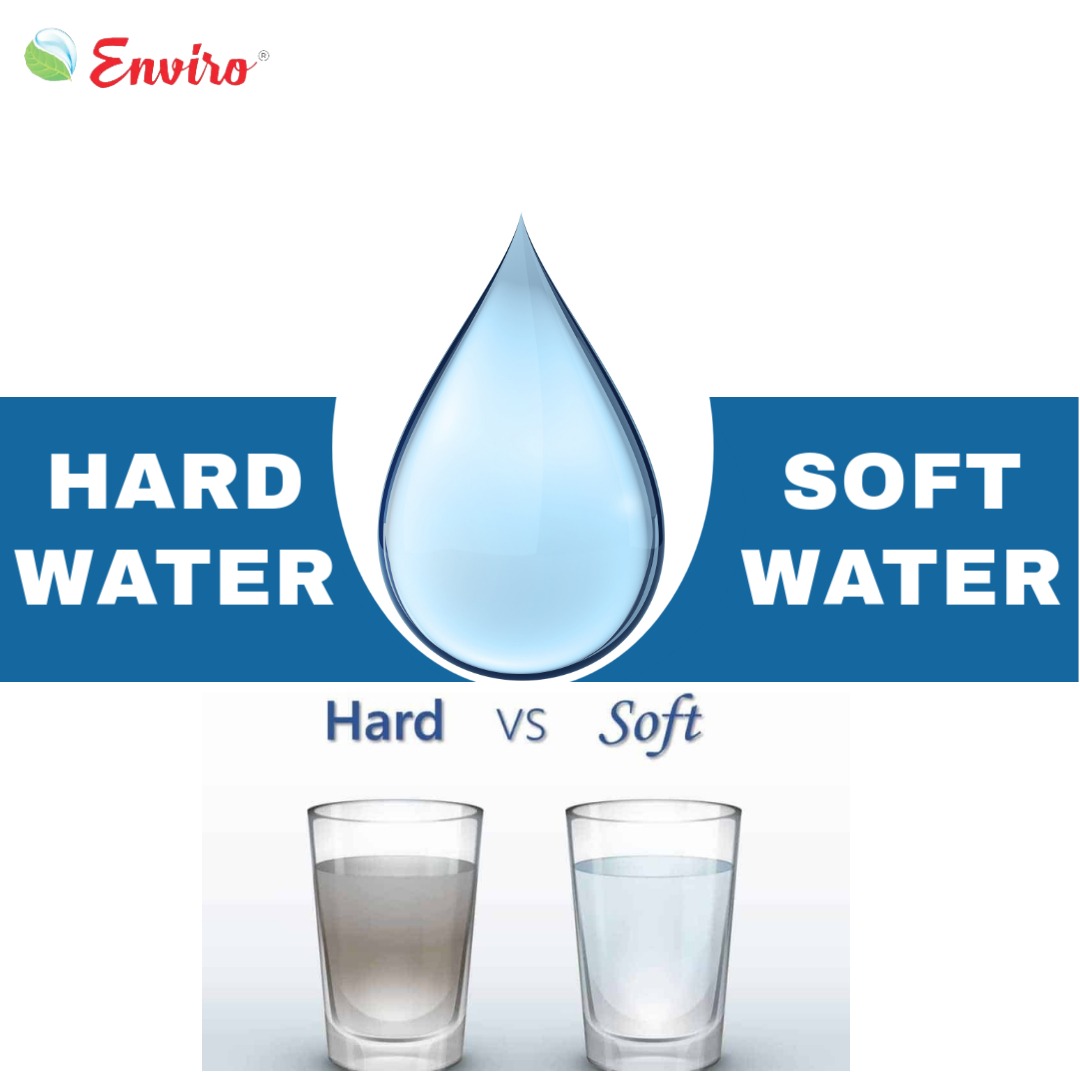
Hard Water V/S Soft Water
What is Hard Water ?
Water with significant concentrations of minerals like calcium and magnesium is referred to as hard water. These minerals can shorten the lifespan and efficiency of plumbing fixtures, appliances, and pipes by causing scaling or buildup. Hard water can also leave stains or streaks on dishes and glassware and make it harder to get soap to lather. A few typical consequences of hard water
- Scale buildup in pipes and appliances
- Soap scum and streaks on surfaces
- Spots or stains on dishes and glassware
- Dry skin and hair
- Reduced efficiency and lifespan of water-using appliances
What is Soft Water ?
Water that has been treated to eliminate minerals like calcium and magnesium, which make water hard, is referred to as soft water. Soft water is better suited for cleaning, industrial uses, and domestic use because it contains fewer of these minerals.
Some benefits of soft water
- Easier cleaning and soap lathering
- Reduced scale buildup in pipes and appliances
- Softer skin and hair
- Cleaner dishes and glassware
- Increased efficiency and lifespan of water-using appliances
Soft water can be achieved through various methods
- Water softening systems, which use ion exchange technology to remove calcium and magnesium ions
- Reverse osmosis, which uses a semipermeable membrane to filter out minerals
- Distillation, which involves boiling and condensing water to remove impurities
Soft water can be beneficial for households, industries, and applications where mineral buildup can cause problems
Disadvantages of Hard Water
- Scale buildup: Hard water can cause mineral deposits to form in pipes, appliances, and plumbing fixtures, reducing water flow and increasing energy consumption.
- Appliance damage: Scale buildup can shorten the lifespan of appliances like water heaters, dishwashers, and washing machines.
- Soap scum and cleaning issues: Hard water can make it difficult to create lather with soap, and mineral deposits can leave streaks and spots on surfaces.
- Skin and hair issues: Hard water can dry out skin and hair, leading to irritation and dullness.
- Stains and discoloration: Mineral deposits can cause stains and discoloration on surfaces, fixtures, and clothing.
- Increased energy consumption: Scale buildup in pipes and appliances can increase energy consumption, leading to higher utility bills.
- Reduced water pressure: Scale buildup in pipes can reduce water pressure, affecting the overall performance of plumbing systems.
- Clogged pipes: Severe scale buildup can cause pipes to clog, leading to costly repairs.
- Impact on taste and odor: Hard water can sometimes have an unpleasant taste or odor due to the presence of minerals.
- Increased maintenance: Hard water can require more frequent cleaning and maintenance of appliances, pipes, and plumbing fixtures.
Advantages of soft water
- Easy cleaning: Soft water makes cleaning easier, as soap lathers more easily and rinses off more thoroughly.
- Appliance longevity: Soft water can extend the lifespan of appliances like water heaters, dishwashers, and washing machines by reducing scale buildup.
- Skin and hair benefits: Soft water can be gentler on skin and hair, reducing irritation and dryness.
- Energy efficiency: Soft water can improve the efficiency of appliances, reducing energy consumption and lowering utility bills.
- Spotless dishes and glassware: Soft water helps prevent mineral deposits from forming on dishes and glassware, leaving them spotless and sparkling.
- Reduced maintenance: Soft water can reduce the need for frequent cleaning and maintenance of appliances, pipes, and plumbing fixtures.
- Improved water pressure: Soft water can help maintain water pressure in pipes, ensuring a steady flow of water.
- Better for laundry: Soft water can improve the effectiveness of laundry detergent, resulting in cleaner clothes.
- Reduced soap scum: Soft water can reduce the formation of soap scum on surfaces, making cleaning easier.
- Cost-effective: While installing a water softener may require an initial investment, the long-term benefits can lead to cost savings on appliance replacement, energy bills, and maintenance.