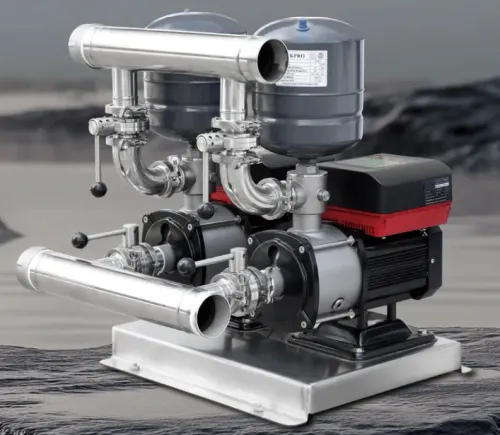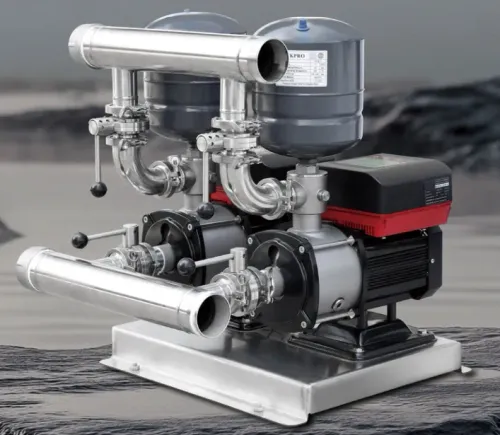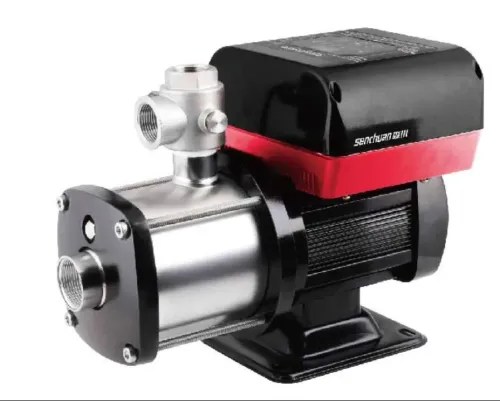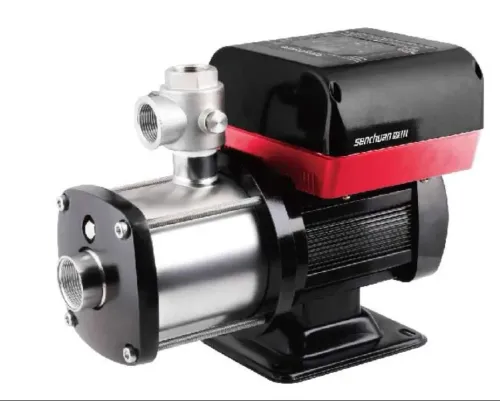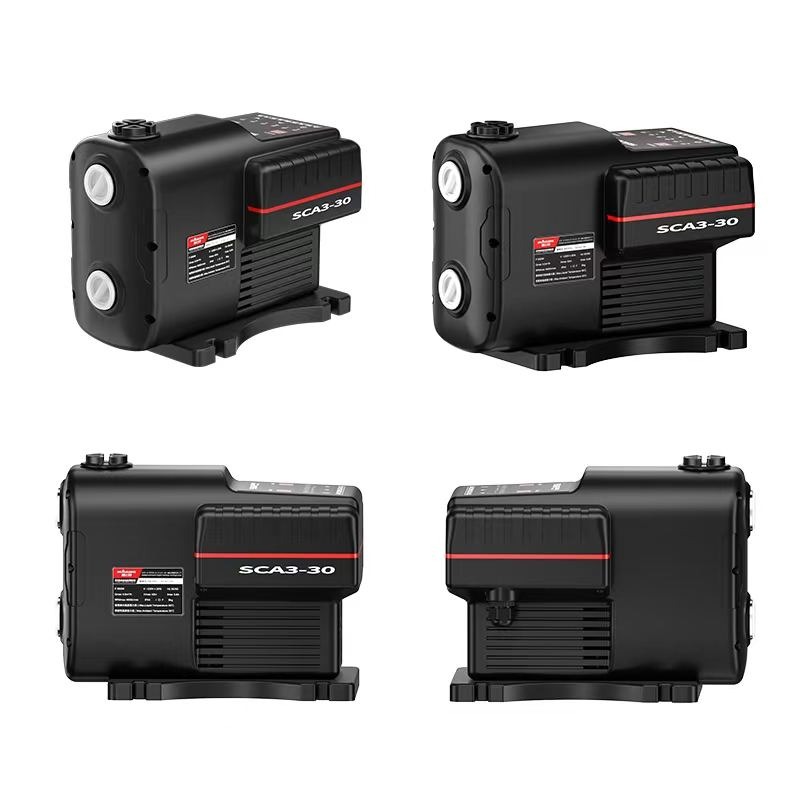
Why Your Home Needs a Pressure Booster Pump
There's nothing more frustrating than turning on the shower and getting only a weak stream of water. Low water pressure is a common issue in many Indian homes, especially in apartments, villas, and buildings where the municipal supply is inconsistent or overhead tanks are located far from the point of use.
A pressure booster pump helps solve this problem by maintaining steady water pressure throughout your home. Whether you're taking a shower, running the washing machine, or using multiple taps at the same time, the right booster pump can make your water system perform far more efficiently.
However, not every pump is suitable for every home. Choosing the correct model depends on several important factors.
1. Calculate Your Water Flow Requirement
The first step is understanding how much water your household needs during normal use. Flow rate is measured in litres per minute (LPM) and represents the volume of water the pump must supply.
Home Type Typical Flow Requirement
Single bathroom 10–15 LPM
Two to three bathrooms 20–35 LPM
Villa or bungalow 40–60 LPM
Apartment unit 15–25 LPM
These figures are intended as planning guidelines. The actual requirement depends on the number of fixtures that may operate simultaneously, pipe size, and pressure losses within the plumbing system.
If multiple showers, taps, or appliances are likely to run at the same time, the pump should be sized to maintain adequate flow without a noticeable drop in pressure.
2. Choose the Right Pump Head
Flow rate alone is not enough. A pump must also generate sufficient pressure to move water to the highest outlet in the building.
This capability is expressed as head, measured in metres.
Typical residential requirements include:
Ground + 1 Floor: 15–20 metres
Ground + 2–3 Floors: 25–40 metres
Buildings with four or more floors: 40–55 metres or higher
Selecting a pump with inadequate head often results in weak pressure on upper floors, even if enough water is available.
When sizing a pump, remember that total head includes not only building height but also pressure losses caused by pipe length, bends, valves, and fittings.
3. Consider a Variable Speed Pump for Stable Pressure
One of the biggest improvements in modern booster systems is the use of Variable Frequency Drive (VFD) technology.
Conventional Fixed-Speed Pumps
Traditional pumps operate at full speed whenever they are switched on. While simple, they can cause noticeable pressure fluctuations as water demand changes throughout the day.
Common characteristics include:
Pressure varies as taps open and close
Higher electrical consumption during partial-load operation
Frequent motor starting and stopping
Louder operation
VFD Booster Pumps
A VFD-controlled pump continuously adjusts motor speed to match the amount of water being used.
This offers several practical advantages:
More consistent water pressure
Smoother operation throughout the house
Reduced motor wear from fewer start-stop cycles
Lower energy consumption when demand is low
Quieter operation at reduced speeds
Energy savings depend on operating conditions, system design, daily usage, electricity tariffs, and the pump being replaced. While manufacturers may publish estimated efficiency improvements, actual savings vary from one installation to another.
4. Pay Attention to Build Quality
A booster pump is expected to operate reliably for many years, so construction quality matters.
Features worth checking include:
Stainless steel impellers for improved corrosion resistance
High-efficiency motors designed for continuous operation
IP-rated electrical enclosures for protection against dust and moisture
Quality mechanical seals suitable for domestic water applications
Material selection should always match the water quality and intended operating conditions. Before purchasing, verify the specifications provided for the exact pump model rather than relying on general product descriptions.
5. Look for Useful Protection Features
Modern booster pumps often include built-in protections that improve reliability and reduce maintenance.
Depending on the model, these may include:
Dry-run protection to prevent damage if the water source runs dry
Automatic restart after the water supply returns
Pressure control for maintaining consistent outlet pressure
Digital display for monitoring pressure, operating status, and fault codes
Quiet operating modes for installations close to living areas
Not every pump includes all of these features, so it is worth reviewing the manufacturer's technical documentation before making a decision.
Contact:
CRYSTAL GREEN INDIA @location
#Q-139, 7th main Road Hebbal Industrial Area Mysore- 570016
#69 Railway Parallel Road Kengeri Satellite Town Bangalore - 560060
India. Ph: +080-79667522 / +0821-4192770, Helpline: +91- 70222 15556.
Email: info@envirowsu.com Website: https://www.envirowsu.com
Follow Us: Facebook | Twitter | Instagram |