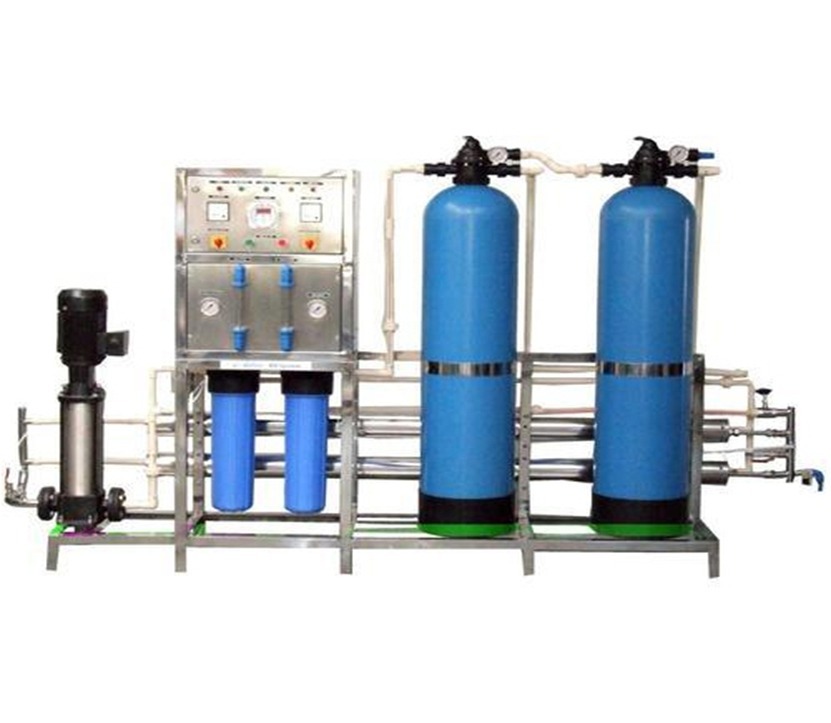
Reverse Osmosis Plant (RO)
Reverse osmosis ( RO) is a membrane-technology filtration method that removes many types of large molecules and ions from Solution, when it is on one side of a selective membrane. The result is that the solute is retained on the pressurized side of the membrane and the pure solvent is allowed to pass to the other side . To be ''Selective,'' this membrane should not allow large molecules or ions through the pores (holes), but should allow smaller components of the solution ( such as the solvent ) to pass freely. Reverse Osmosis is used to purify water and remove salts and other impurities in order to improve the color, taste or properties of the fluid.
Benefits of Reverse Osmosis Plant ( RO )
- Purified water: RO technology removes impurities, contaminants, and minerals, producing clean drinking water.
- Improved taste and odor: RO water has a neutral taste and odor, making it suitable for drinking and cooking.
- Reduced waterborne diseases: By removing bacteria, viruses, and other microorganisms, RO plants help prevent waterborne diseases.
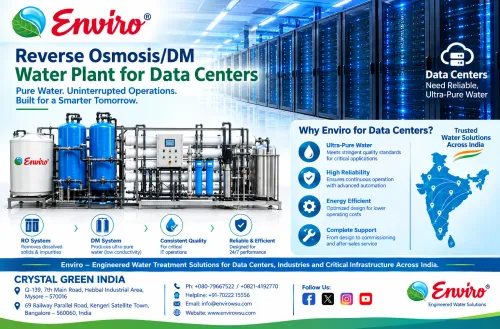
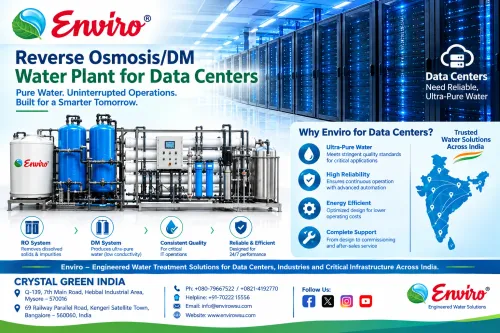
- Industrial applications: RO water is used in various industries, such as pharmaceuticals, food processing, and electronics manufacturing.
- Agricultural benefits: RO water can be used for irrigation, reducing soil salinization and improving crop yields.
Advantages of Reverse Osmosis Plant ( RO)
- Effective contaminant removal: RO plants remove up to 99% of contaminants, including dissolved solids, bacteria, viruses, and heavy metals.
- Improved water quality: RO plants produce high-quality water suitable for drinking, cooking, and industrial applications.
- Reduced risk of waterborne diseases: By removing pathogens and contaminants, RO plants help prevent waterborne diseases.
- Increased water safety: RO plants provide a reliable source of safe drinking water, especially in areas with poor water quality.
- Low maintenance: RO plants are relatively easy to maintain, with replaceable filters and membranes.
- Cost-effective: RO plants can be cost-effective in the long run, reducing the need for bottled water and medical treatment for waterborne diseases.
- Versatile applications: RO plants can be used in various settings, including residential, commercial, and industrial applications.
Features Of Reverse Osmosis Plant (RO)
- Pre-filtration: Removes larger particles and contaminants before water passes through the RO membrane.
- Semi-permeable membrane: Allows water molecules to pass through while rejecting impurities and contaminants.
- High rejection rate: Removes up to 99% of dissolved solids, bacteria, viruses, and other impurities.
- Automated operation: Many RO plants have automated systems for monitoring and controlling water quality, pressure, and flow rate.
- Post-filtration: Additional filtration stages, such as activated carbon or UV treatment, to further purify the water.
- Remineralization option: Some RO plants offer remineralization stages to add back beneficial minerals to the purified water.
- Scalability: RO plants can be designed to accommodate various flow rates and capacities, from small residential systems to large industrial plants.
- Monitoring and control systems: Allow for real-time monitoring of water quality, pressure, and flow rate, enabling prompt detection of any issues.