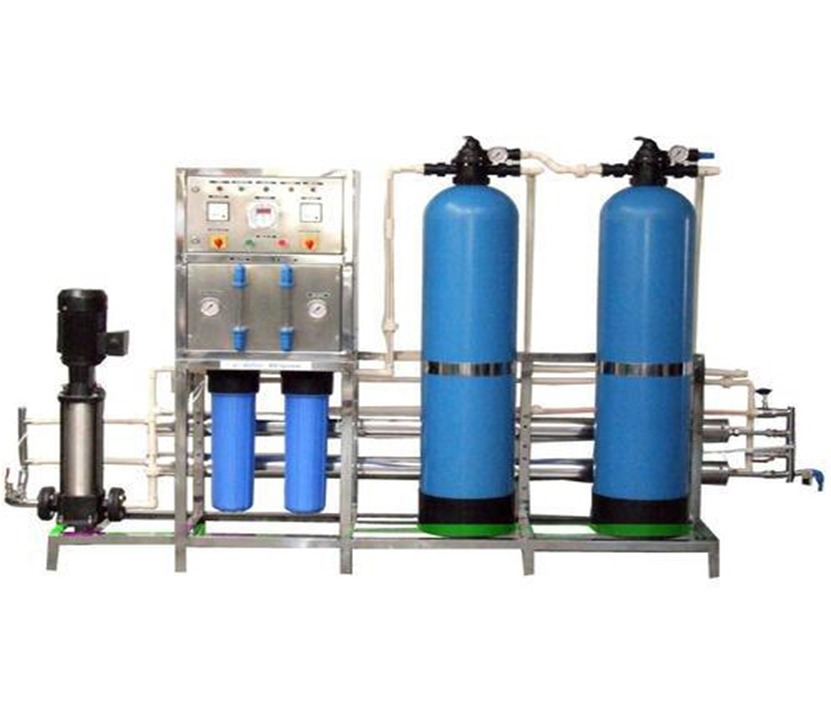
RO Plant (Reverse Osmosis Plant)
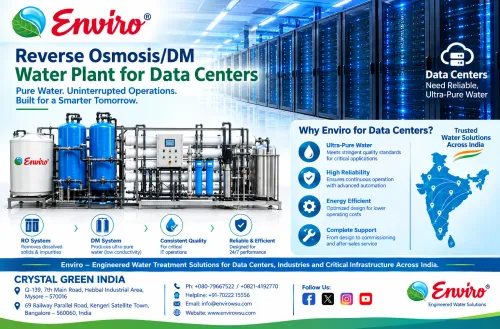
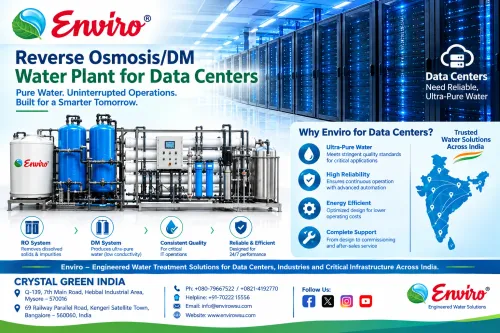
A RO Plant (Reverse Osmosis Plant) is a water purification system that uses reverse osmosis technology to remove contaminants, impurities, and dissolved salts from water. It is commonly used for producing clean drinking water, industrial water treatment, wastewater recycling, and desalination of seawater.
How RO Plant Works:
- Pre-Treatment – Water passes through pre-filters (such as sand filters, activated carbon filters) to remove larger particles, chlorine, and organic matter.
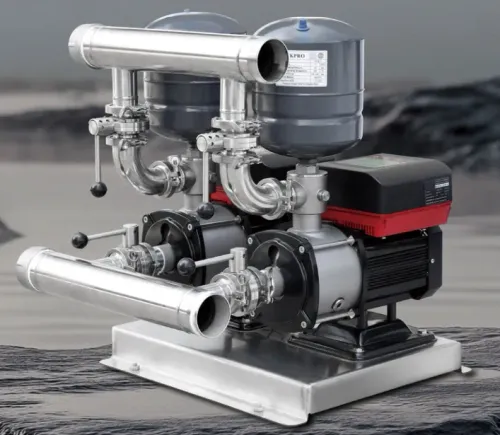
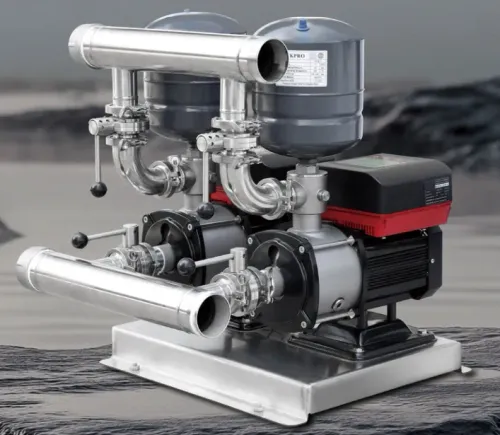
- High-Pressure Pump – A pump increases the water pressure to force it through the semi-permeable RO membrane.
- Reverse Osmosis Membrane – The membrane allows only pure water molecules to pass, blocking dissolved salts, bacteria, and contaminants.
- Post-Treatment – Additional filtration (such as UV, remineralization, or activated carbon) may be used to improve taste and quality.
- Storage & Distribution – The purified water is collected in a storage tank and then distributed for use.
Types of RO Plants:
- Domestic RO Plants – Used in homes for drinking water purification.
- Commercial RO Plants – Used in offices, schools, restaurants, etc.
- Industrial RO Plants – Used in large-scale industries like pharmaceuticals, power plants, and beverage production.
- Seawater Desalination RO Plants – Used to convert seawater into potable water.
Importance of RO Plants
Reverse Osmosis (RO) plants play a crucial role in providing clean and safe water for various applications. Here’s why they are important:
1. Safe Drinking Water
- Removes harmful contaminants like bacteria, viruses, heavy metals (lead, arsenic, mercury), and dissolved salts.
- Enhances water taste and removes unpleasant odors.
- Essential for areas with poor water quality or high salinity.
2. Industrial Applications
- Used in industries such as pharmaceuticals, food and beverage, power plants, and electronics manufacturing.
- Ensures high-purity water for production processes, preventing equipment scaling and corrosion.
3. Environmental Benefits
- Reduces reliance on bottled water, minimizing plastic waste.
- Supports wastewater recycling and reuse, promoting water conservation.
- Helps industries meet environmental regulations by treating wastewater.
4. Agricultural Use
- Purifies water for irrigation, reducing soil salinity and improving crop yields.
- Ensures safe water for hydroponics and greenhouse farming.
5. Seawater Desalination
- Converts seawater into freshwater, addressing water scarcity in coastal and arid regions.
- Provides a sustainable alternative to depleting freshwater sources.
6. Health Benefits
- Prevents waterborne diseases caused by contaminated water.
- Helps individuals with kidney issues by reducing the intake of excessive minerals like sodium and potassium.
Advantages of RO Plants
Reverse Osmosis (RO) plants offer several benefits, making them a preferred choice for water purification.
1. High-Quality Water Purification
- Removes up to 99% of contaminants, including bacteria, viruses, heavy metals, and dissolved salts.
- Provides safe and great-tasting drinking water.
2. Cost-Effective
- Reduces the need for bottled water, saving money in the long run.
- Low operational costs compared to other purification methods.
3. Eco-Friendly
- Decreases plastic waste by minimizing bottled water consumption.
- Helps in wastewater recycling, promoting sustainable water use.
4. Improves Industrial Efficiency
- Prevents scaling and corrosion in industrial equipment.
- Ensures consistent water quality for processes in pharmaceuticals, food processing, and power plants.
5. Reduces Waterborne Diseases
- Eliminates pathogens and harmful chemicals, reducing the risk of diseases like cholera and diarrhea.
6. Suitable for Various Water Sources
- Works with tap water, groundwater, borewell water, and even seawater (with desalination RO plants).
7. Customizable for Different Needs
- Available in domestic, commercial, and industrial models to fit different applications.
Source By:https://www.envirowatertreatments.com/products/category/reverse-osmosis-plant/1