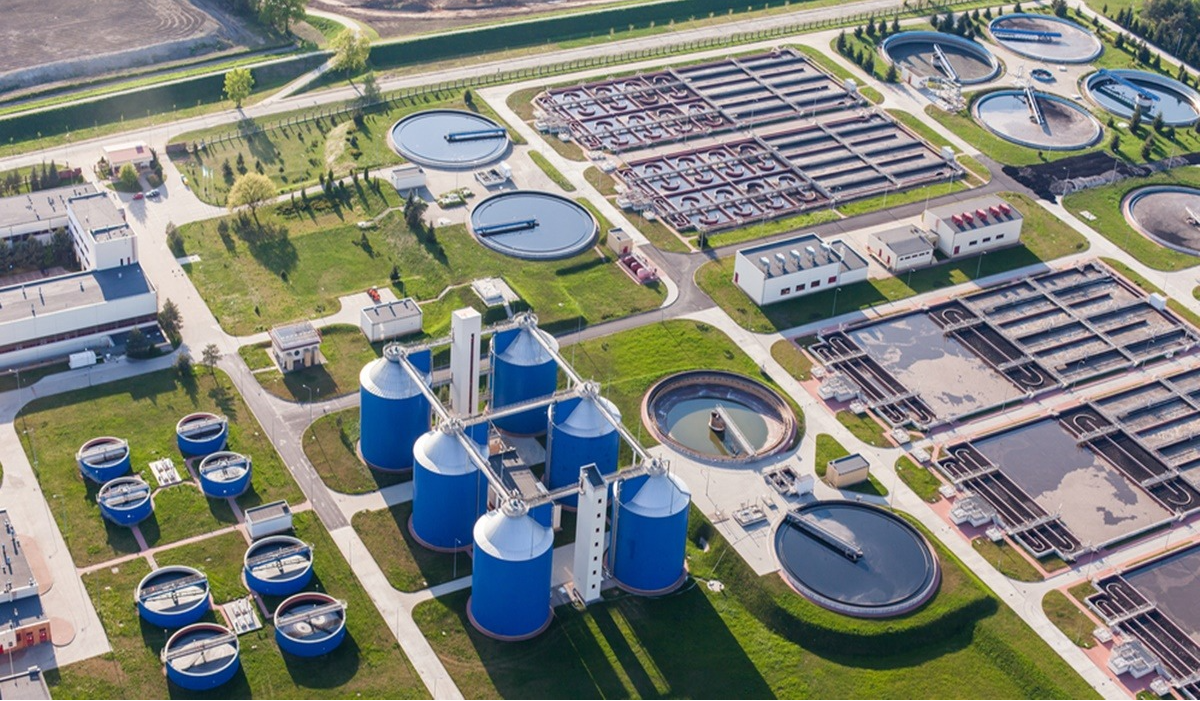
Role of Sewage Sludge Treatment Plant in STP
Efficient wastewater management is becoming more and
more important as industry and urban populations develop. The sewage sludge
treatment plant is one of the most important parts of any sewage treatment
plant (STP). In order to ensure that dangerous pollutants are successfully
eliminated before the treated water is released or utilized again, this
facility is essential to the management and treatment of wastewater processing
by-products.
Municipalities, businesses, and environmental planners all need to understand
how a sludge treatment plant fits into the larger picture of STP operations.
Let's examine these systems' operation and the reasons they are essential to
the treatment of contemporary wastewater.
What is Sewage Sludge?
Functions of a Sewage Sludge Treatment Plant
Key Functions
Include:
Thickening: In order to raise the sludge's solid
content, water is first extracted from it. This aids in lowering the total
volume, which makes subsequent treatment simpler and more cost-effective.
Stabilization: In order to stabilize the sludge, it
must be treated to lessen its odor and pathogenic content. Anaerobic or aerobic
digestion is frequently used to accomplish this. One popular technique for this
is an activated sludge treatment facility, in which organic debris is
biologically broken down by microorganisms.
Dewatering: Mechanical devices like belt filter
presses and centrifuges are used to remove additional water. Sludge is easier
to handle and carry after dewatering.
Drying and Final Disposal: Sometimes, in order to drastically
lower the moisture level, the sludge is further dried. After that, this dried
sludge might be burned for energy recovery, dumped in landfills, or applied as
a soil conditioner.
Importance of Sludge
Disposal from Water Treatment Plant
For the sake of
public health and environmental sustainability, sludge from water treatment
plant operations must be disposed of properly. Sludge can pollute soil,
groundwater, and surface water if improperly treated and disposed of, causing
ecological imbalances and disease outbreaks.
Furthermore, a
normal STP produces a sizable amount of sludge. It would be hazardous and
impracticable to manage this volume without a suitable sludge treatment plant.
Inadequate sludge management can also result in regulatory non-compliance and
severe penalties for municipalities and enterprises.
Role of Activated Sludge Treatment Plant in Sludge
Management
A vital part of many
contemporary sewage treatment systems is an activated sludge treatment
facility. In order for microorganisms to eat the organic contaminants, the
sludge must be aerated. This not only lowers the sludge's volume but also
improves its stability and facilitates dewatering and disposal.
Because it can
handle huge amounts of wastewater while producing high-quality effluent and
controllable sludge, the activated sludge process is very effective and
popular. Because it guarantees that the sludge is biologically treated prior to
final processing, it is an essential component of a sewage sludge treatment
facility.
Sustainability and Resource Recovery
Sludge treatment
plants nowadays focus on sustainability and resource recovery in addition to
disposal. Thanks to technological developments, treated sludge can now be
converted into useful byproducts like compost for farming, biogas for energy,
or even building materials in some creative configurations.
The wastewater
treatment process gains commercial value and lessens its environmental impact
when resource recovery is incorporated into the disposal of sludge from water
treatment plant operations. This is in line with worldwide movements that
support environmental management strategies based on the circular economy.
Conclusion
An essential component of efficient wastewater management is the sewage sludge treatment facility. It guarantees the safe, sustainable, and effective handling of the sludge produced by sewage treatment. Every stage, from stabilization and thickening to dewatering and ultimate disposal, is essential to reducing the hazards that untreated sludge poses to the environment and human health. Purchasing a dependable and cutting-edge sludge treatment plant is becoming more and more of a need as more municipalities and businesses realize how important wastewater management is.