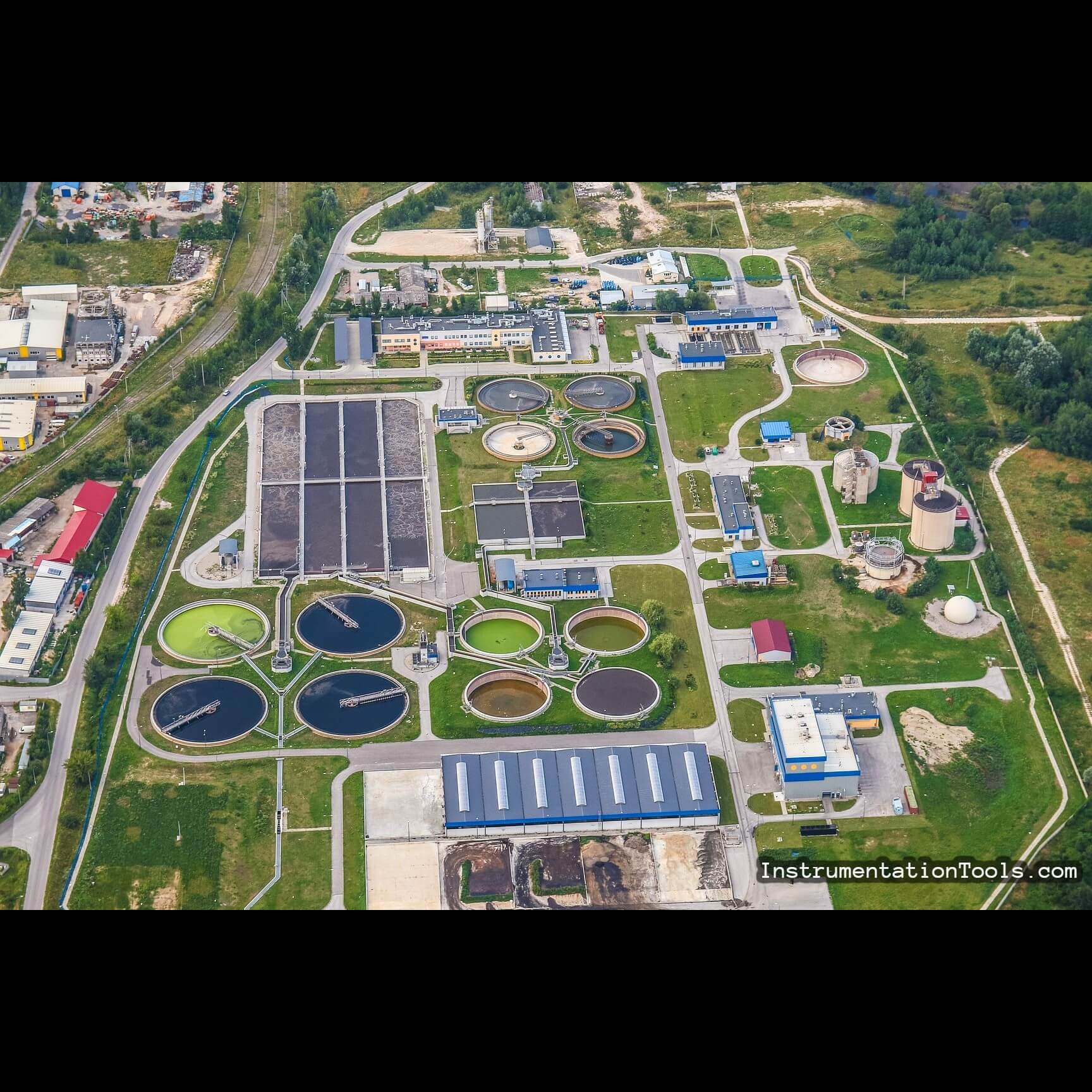
SEWAGE TREATMENT PLANT(STP)
What is Sewage?
Sewage comprises waste water
generated from households, hotels and may include industrial waste water.
Sewage Treatment Plant process
Sewage can be treated
by designing a sewage treatment plant (STP) which involves three stages:
primary/preliminary, secondary and tertiary.
With increasing
infrastructural development and water usage for various purposes such as
domestic and commercial, there is generation of waste water.
What type of waste does sewage contain?
Sewage
usually contains a high quantity of organic wastes and may also consist of
inorganic wastes. It is essential to treat sewage before its entry into any
water body. Why so? Sewage, if allowed to enter water sources without
treatment, it will contaminate them; which is why it is essential to treat
sewage properly before letting it into rivers or streams for example.
Sewage
Treatment Plant process
Sewage can be treated
by designing a sewage treatment plant (STP) which involves three stages:
primary/preliminary, secondary and tertiary.
Primary
Treatment
Sewage treatment plant process
n a sewage treatment plant,
sewage water is first allowed to pass through screens or grit chamber where
large solids are removed. This step is followed by aeration/mixing in a tank
and then primary sedimentation where suspended solids settle down. Primary
treatment involves addition of a coagulant and aims at removing grits, coarse
solids, oil and grease if any present. Preliminary treatment results in
sedimentation of solids (sludge) and formation of an effluent that floats above
sludge. Effluent from primary treatment consists of 45-50 % unstable organic
matter. The effluent then undergoes secondary treatment where fine solids
settle out by means of bacterial activities.
Secondary
or Biological Treatment
This stage converts
organic matter in sewage into stable forms through biological activities,
resulting in secondary sedimentation. Common approaches are trickling filters
and activated sludge method.
Trickling filters
comprise an enclosed tank with a bed of bricks and a layer of microorganisms.
The effluent enters the tank through an inlet and trickles over the bed layer
by sprinklers. Microbial activities oxidize the organic matter in the effluent,
resulting in the removal of fine solids, formation of sludge and an effluent
with less organic solids.
Activated sludge method
involves the addition of a mixture of active microorganisms to sewage, followed
by aeration and agitation. The aerobic conditions and microbial actions oxidize
the organic solids resulting in coagulation, flocculation and settling of
solids. Activated sludge produces a clear liquid without foul odor.
Wastewater
Treatment Technologies
Wastewater treatment
technologies have evolved significantly to mitigate environmental pollution and
ensure sustainable water resources.
Biological treatment
methods employ microorganisms to decompose organic matter in wastewater,
yielding harmless byproducts. Advanced versions like sequencing batch reactors
(SBRs) and moving bed biofilm reactors (MBBRs) enhance efficiency.
Membrane filtration,
encompassing ultrafiltration, nanofiltration, and reverse osmosis, effectively
separate impurities, producing reusable water.
Advanced Oxidation
Processes (AOPs), such as ozone treatment and UV photocatalysis, target
persistent pollutants.
Constructed wetlands
replicate natural systems for comprehensive treatment.
Nutrient recovery
technologies capture nitrogen and phosphorus for repurposing.
Electrochemical methods
like electrocoagulation and electrooxidation induce chemical reactions for
pollutant removal.
Decentralized systems
like package plants offer localized solutions, crucial for remote areas.
Overall, these
technologies collectively drive wastewater treatment’s transformation,
addressing modern challenges and fostering water sustainability.
Tertiary
Treatment
The effluent then
undergoes tertiary treatment/disinfection by incorporation of UV radiation or
chlorination. Other methods such as sand filters and reverse osmosis may also
be used instead for this stage of treatment, depending upon the nature of the
sewage and the effluent from secondary treatment.
Wastewater
Treatment Technologies
Wastewater treatment
technologies have evolved significantly to mitigate environmental pollution and
ensure sustainable water resources.
Biological treatment
methods employ microorganisms to decompose organic matter in wastewater,
yielding harmless byproducts. Advanced versions like sequencing batch reactors
(SBRs) and moving bed biofilm reactors (MBBRs) enhance efficiency.
Membrane filtration,
encompassing ultrafiltration, nanofiltration, and reverse osmosis, effectively
separate impurities, producing reusable water.
Advanced Oxidation
Processes (AOPs), such as ozone treatment and UV photocatalysis, target
persistent pollutants.
Constructed wetlands
replicate natural systems for comprehensive treatment.
Nutrient recovery
technologies capture nitrogen and phosphorus for repurposing.
Electrochemical methods
like electrocoagulation and electrooxidation induce chemical reactions for
pollutant removal.
Decentralized systems
like package plants offer localized solutions, crucial for remote areas.
Overall, these
technologies collectively drive wastewater treatment’s transformation,
addressing modern challenges and fostering water sustainability.
What happens
to the sludge produced from primary and secondary sedimentation?
Sludge is digested in a
tank which results in the release of combustible gases: methane (CH4) and carbon dioxide (CO2); that can be
used as fuel. The digested sludge can either be disposed by incineration or
used as a fertilizer.
Why
reuse or recycle Water?
Though 70% of earth is
surrounded by water only 2.5% of it is fresh water. Out of which 70% fresh
water is in frozen state on Antarctica and Greenland. Only nearly 1% of fresh
water is accessible for usage. In day to day life we use water majorly for washing,
bathing, toilet etc. if we can recycle water for other than drinking purpose
fresh water demand can be lowered.
Hence it is very
important to treat sewage outlet of every building and reuse treated water for
washing, toilet and floor cleaning.
Sewage
Treatment Plant in Apartments
A sewage treatment
plant in apartments plays a crucial role in ensuring the effective treatment
and management of wastewater generated by residents. It operates on the
principle of treating sewage through a series of processes to remove
contaminants and pollutants before discharging the treated water.
These plants are
designed to handle the specific needs and capacity requirements of the
apartment complex, employing methods such as preliminary screening,
sedimentation, biological treatment, and disinfection.
By implementing an
on-site sewage treatment plant, apartments can minimize their environmental
impact, protect public health, and ensure the sustainable management of
wastewater within their premises.
Water
and Wastewater Industry
The water and
wastewater industry plays a pivotal role in ensuring the availability of clean
and safe water for communities while effectively managing and treating
wastewater to protect the environment. This industry encompasses a wide range
of activities, from sourcing, treating, and distributing potable water to
collecting, treating, and disposing of wastewater and sewage.
Water treatment plants
employ advanced technologies to purify water from various sources, making it
fit for consumption, while wastewater treatment facilities utilize innovative
methods to remove contaminants and pollutants, minimizing their impact on ecosystems.
As populations grow and
environmental concerns intensify, the water and wastewater industry continues
to evolve, striving for sustainable practices that balance the needs of
society, industry, and nature.
Save water, Save Earth.
Frequently
Asked Questions:
What are the 5 stages of sewage treatment?
1.
Preliminary Treatment: Large debris and solid materials are removed from the
wastewater through screens and grit chambers.
2. Primary Treatment: Wastewater undergoes
sedimentation to separate solid particles, forming primary sludge.
3. Secondary Treatment: Biological
processes are employed to break down organic pollutants using microorganisms in
aeration tanks.
4. Tertiary Treatment: Advanced methods
like filtration, disinfection, and oxidation remove remaining contaminants,
including nutrients and pathogens.
5. Sludge Treatment and Disposal: Sludge
generated during the process is treated and stabilized through methods like
anaerobic digestion, dewatering, and drying before disposal or beneficial use.
What is the principle of STP plant?
The principle of a
Sewage Treatment Plant (STP) involves the treatment of wastewater through a
series of physical, biological, and chemical processes to remove pollutants and
contaminants. The primary principle is to mimic and enhance natural processes that
occur in the environment to purify water.
This is achieved by promoting the growth of beneficial microorganisms that
break down organic matter, settling out solids, and disinfecting the water to
ensure it meets quality standards before being discharged or reused.