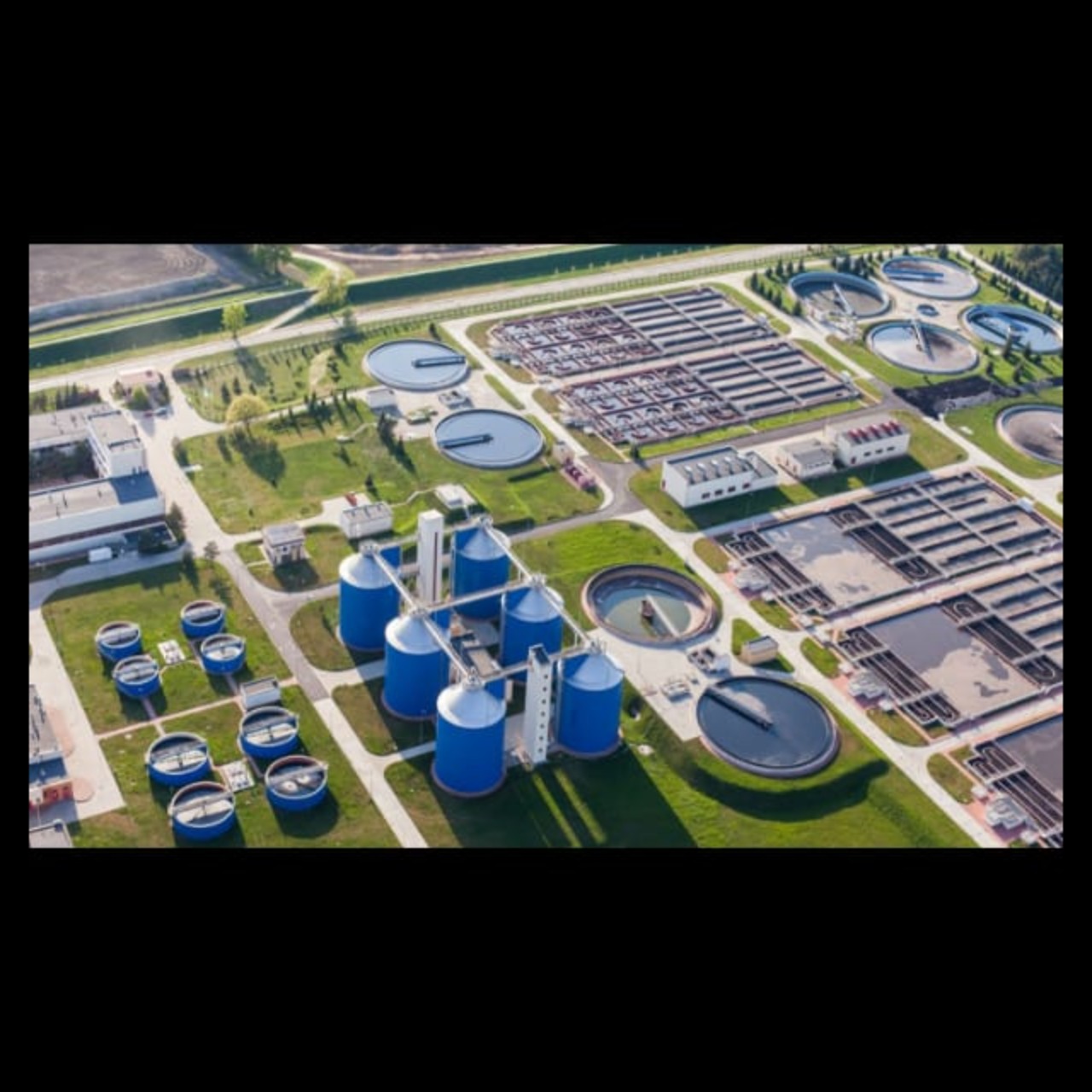
What is a Sewage Treatment Plant ?
We all drink and take showers with wastewater, which may surprise you. Sewage treatment (also known as domestic wastewater treatment or municipal wastewater treatment) plants are responsible for turning the water that we flush down the toilet into drinkable water that can be released into rivers and the ocean or used by humans.
Waste from showers, sinks, laundry machines, restrooms, and other appliances must be disposed of somewhere. It travels through miles of drain network before arriving at sewage treatment plants, which are responsible for treating and releasing it. Used water, also known as wastewater, exits homes through pipes put in during plumbing and enters drains that are either constructed by the homeowner or a municipally established drain facility.
Waste from showers, sinks, laundry machines, restrooms, and other appliances must be disposed of somewhere. It travels through miles of drain network before arriving at sewage treatment plants, which are responsible for treating and releasing it. Used water, also known as wastewater, exits homes through pipes put in during plumbing and enters drains that are either constructed by the homeowner or a municipally established drain facility.
Benefits of Sewage Treatment Plant
- Environmental Protection: Treats wastewater, reducing pollutants & contaminants in water bodies, preserving aquatic life & ecosystems
- Public Health: Removes pathogens, bacteria & viruses, preventing waterborne diseases & keeping communities healthy
- Water Conservation: Treated water can be reused for irrigation, industry & flushing toilets, conserving precious freshwater resources
- Reduced Water Pollution: Minimizes harm to aquatic life, preserving biodiversity & ecosystems
- Economic Benefits: Treated wastewater can be used for industrial purposes, reducing costs & increasing efficiency
- Improved Quality of Life: Reduces odors, pests & other nuisances, enhancing community living conditions
- Compliance with Regulations: Helps municipalities & industries meet environmental regulations & standards
Advantages of Sewage Treatment plants
- Prevents Water Pollution: Treats wastewater, reducing pollutants in rivers, lakes, and oceans.
- Protects Public Health: Removes pathogens, bacteria, and viruses, preventing waterborne diseases.
- Conserves Water: Treated water can be reused for irrigation, industry, and other non-potable purposes.
- Reduces Environmental Impact: Minimizes harm to aquatic life and ecosystems.
- Supports Economic Growth: Treated wastewater can be used for industrial purposes, reducing costs.
- Enhances Community Livability: Reduces odors, pests, and other nuisances.
- Meets Regulatory Requirements: Helps municipalities and industries comply with environmental regulations.