Types of Water Filters
Remove: sand, dirt, rust, large particles
-
Best for: pre-filtering before finer systems
-
Common form: pleated or spun polypropylene
2. Activated Carbon Filters
-
Remove: chlorine, bad taste & odor, some chemicals
-
Works by: adsorption (binding contaminants to carbon surface)
-
Forms: granulated carbon or carbon block
3. Reverse Osmosis (RO) Systems
-
Removes: dissolved solids (TDS), heavy metals, salts
-
How it works: forces water through a semipermeable membrane
-
Best for: making very pure drinking water
4. Ultraviolet (UV) Purifiers
-
Removes: bacteria, viruses, microorganisms
-
Uses: UV light to disinfect water
-
Good for: biological contamination (needs clear water first)
5. Ceramic Filters
-
Remove: bacteria, protozoa, dirt
-
Long-lasting and washable
-
Pores in ceramic physically block contaminants
6. Ion Exchange Filters
-
Remove: hardness minerals (calcium & magnesium)
-
Often used in: water softeners
-
Exchanges ions to soften water
7. Distillation Systems
-
Removes: most contaminants including minerals
-
Process: boils water → steam → condenses back
-
Very pure water but slow & energy-intensive
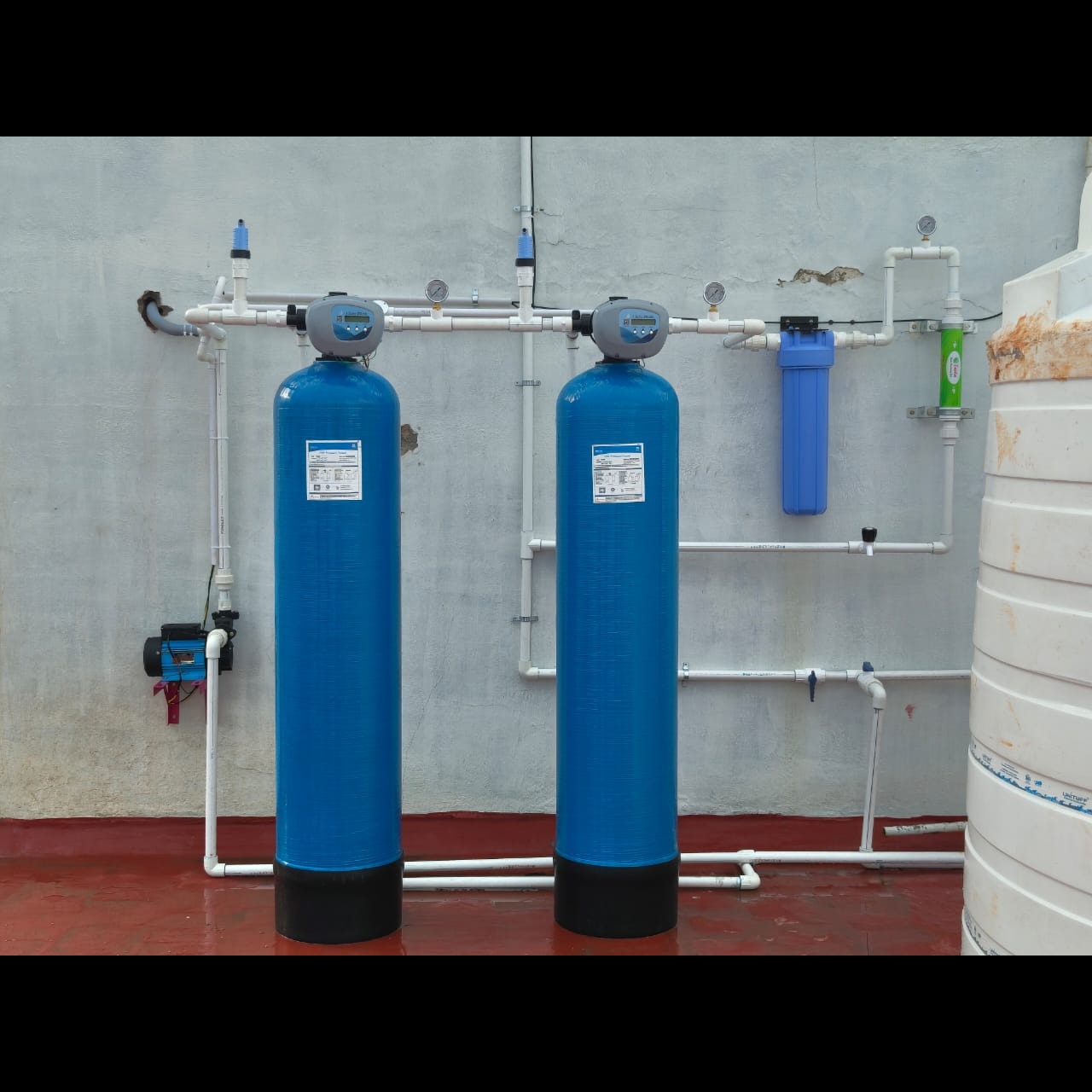
8. Whole House (Point-of-Entry) Filters
-
Treats: all water entering home
-
Can combine different technologies (e.g., sediment + carbon)
-
Good for large scale contaminant reduction
9. Faucet/Countertop Filters
-
Small, convenient
-
Usually carbon or basic multi-stage filtration
-
Good for apartments or rentals
10. Pitcher Filters
-
Portable and inexpensive
-
Usually carbon filters
-
Great for improving taste and odor