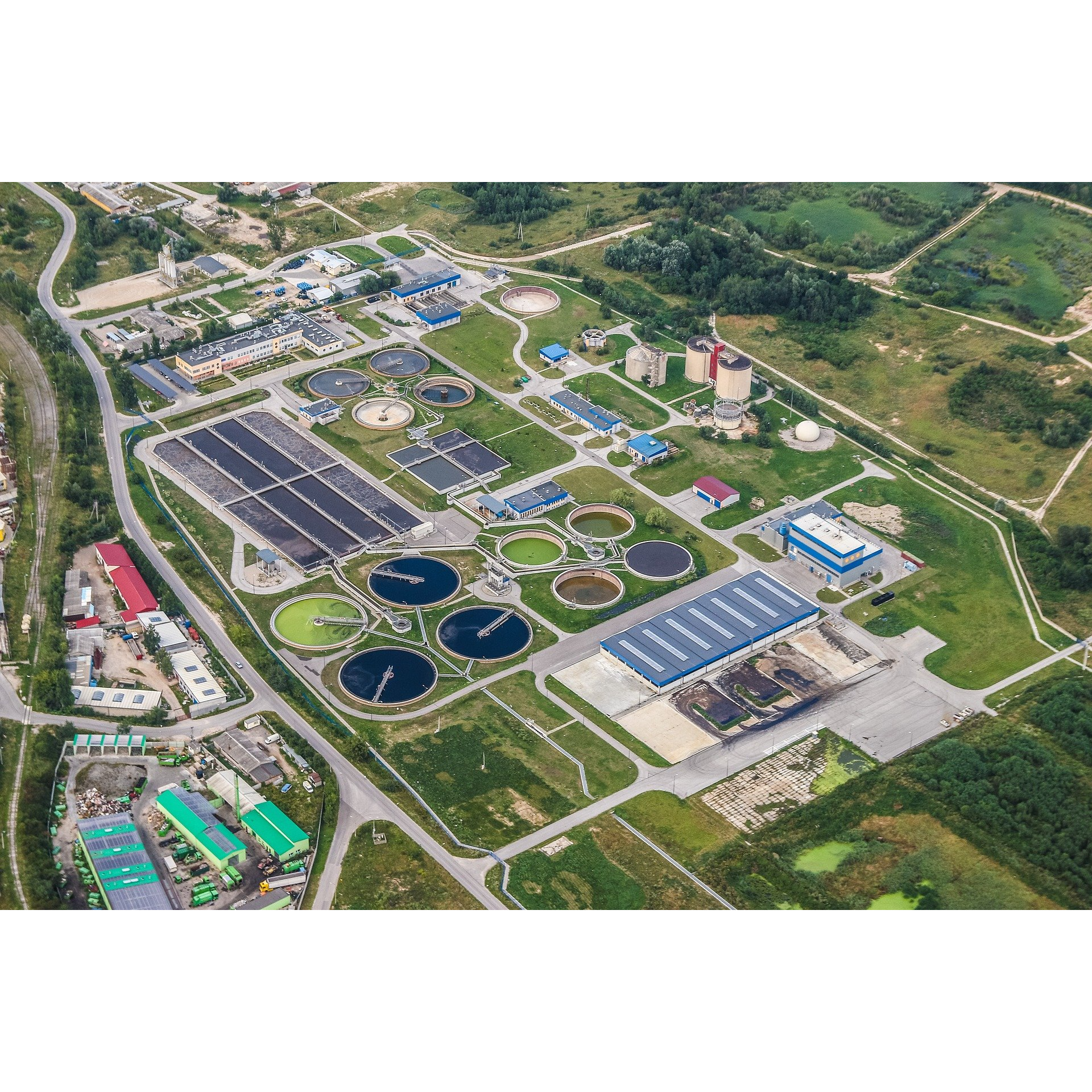
Waste Water Treatments (WTP)
The process of
treating wastewater makes it safe for reuse or disposal by eliminating
impurities and toxins. In order to remove or lessen pollutants, this procedure
uses physical, chemical, and biological techniques, including:
Physical
methods: Filtration, sedimentation, and screening.
Chemical
methods: Chemical precipitation, disinfection, and coagulation.
Biological
methods: Biofilters, trickling filters, and activated sludge.
The objective is to provide treated water that
satisfies environmental standards and can be safely released into bodies of
water or used again for industrial or non-potable uses like irrigation.
The Primary
Objectives of Wastewater Treatment (WTP) are:
Protection
of Public Health: Eliminate bacteria, viruses,
pathogens, and other disease-causing microbes.
Environmental Protection: Eliminate toxins and pollutants to avoid contaminating the air, soil, and water sources.
Water Conservation: Reduce the pressure on freshwater resources by treating wastewater for reuse in non-potable uses.
Compliance
with Regulations: Avoid fines and penalties by adhering to national and local wastewater
discharge regulations.
Protection
of Aquatic Life: Remove harmful materials and extraneous nutrients to protect aquatic
habitats.
These goals
guarantee a secure and wholesome environment for people, animals, and the
ecosystem.
Importance
of Wastewater Treatment
Wastewater Treatment is Crucial for Several Reasons:
Prevents Water Pollution: By lowering pollutants in rivers, lakes, and seas, treated wastewater
saves aquatic life.
Protects Public Health: Prevents waterborne illnesses by eliminating pollutants and bacteria.
Conserves Water
Resources: Reusing treated wastewater is possible for non-potable uses including
industry and irrigation.
Supports Ecosystem
Balance: Prevents toxic algal blooms, lowers nutrient pollution, and preserves the
health of the ecosystem.
Enhances Community
Development: Keeps water bodies clean, which
promotes tourism, economic growth, and leisure.
Reduces Environmental
Impact: Promotes sustainability by reducing the negative effects of human
activity on the environment.
Meets Regulatory
Requirements: Prevents fines and penalties by
ensuring adherence to environmental standards.
All things
considered, wastewater treatment is essential to preserving a healthy
environment, safeguarding public health, and preserving water supplies.
Advantages
of Waste Water Treatments
Wastewater treatment
offers numerous benefits, including:
Environmental
protection: Protects wildlife and habitats by
lowering water pollution.
Public
health: Reduces the risk of waterborne illness
by eliminating pollutants and germs.
Water
conservation: Wastewater that has been treated can
be utilized again for drinking water, industrial, or irrigation.
Reduced
water scarcity: Helps fulfill rising needs by
augmenting the water supply.
Economic
benefits: Reduces the expense of healthcare and water purification.
Regulatory
compliance: Assists towns and companies in
adhering to environmental requirements.