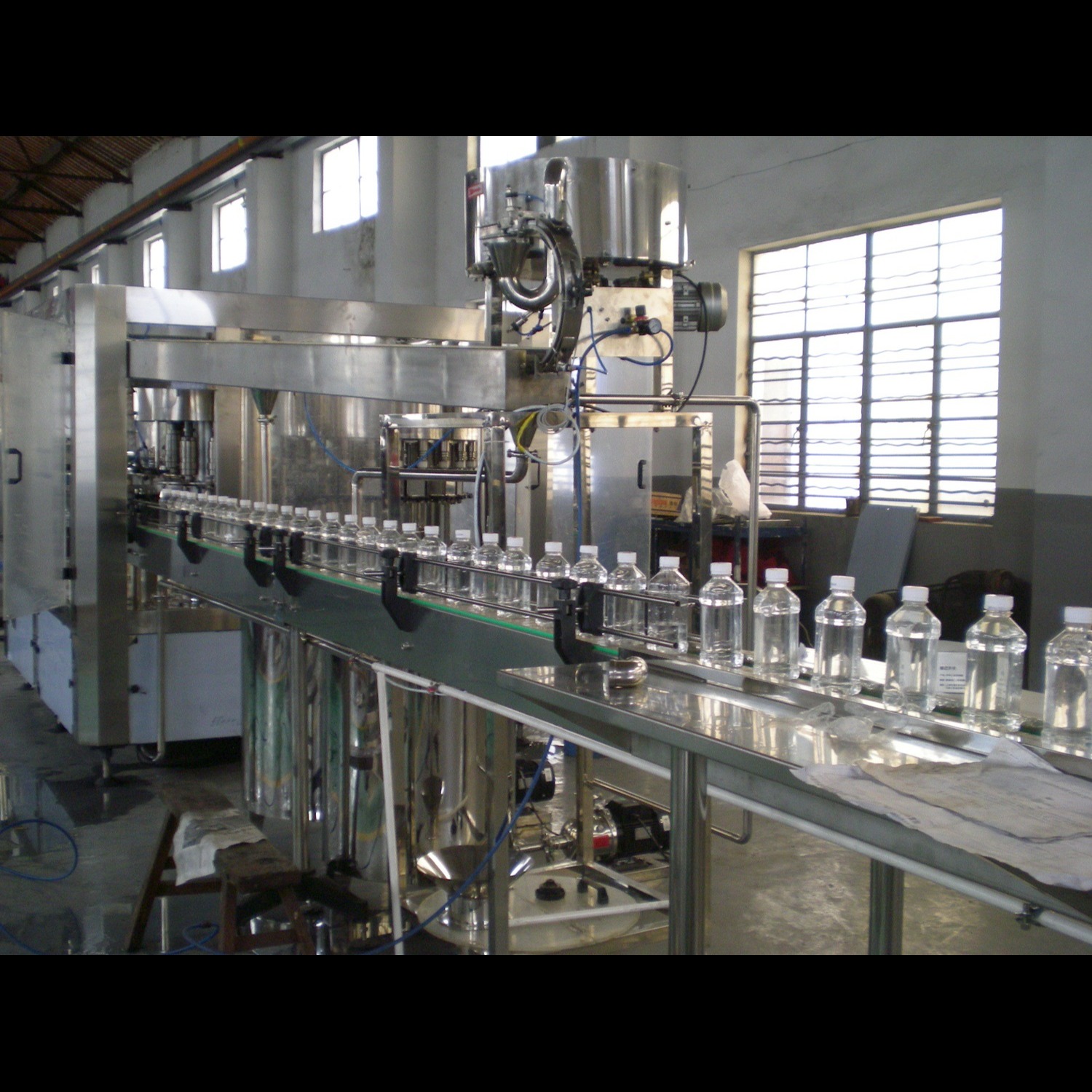
What is Water Bottling Plant ?
A facility that filters and packages water for human consumption is called a water bottling plant, sometimes referred to as a mineral water bottling plant. The facility treats and fills bottles with water using a variety of tools and technologies to guarantee that it satisfies safety and health regulations.
Components of a Water Bottling Plant
- Water Purification System: Removes impurities and contaminants from the water using techniques like reverse osmosis, UV sterilization, and ozone treatment.
- Filling Machines: Fill bottles with purified water, minimizing contamination risks.
- Capping Machines: Securely seal bottles to prevent leakage and contamination.
- Packaging Equipment: Wraps and labels bottles for distribution.
Types of Water Bottling Plants
- Small-scale plants: Suitable for local or regional distribution, often with lower production capacities.
- Large-scale plants: Designed for high-volume production, often serving national or international markets.
Setting Up a Water Bottling Plant
- Location: Proximity to a clean water source, transportation routes, and utilities is crucial.
- Permits and Licenses: Compliance with local regulations, health standards, and environmental assessments is necessary.
- Equipment Selection: Choosing the right machinery for production capacity, automation, and reliability is vital
Benefits of a Well-Designed Water Bottling Plant
- Ensures water quality and safety
- Increases production efficiency
- Reduces costs and environmental impact
- Meets growing demand for bottled water
- Increased Access to Clean Drinking Water: Provides safe and purified water to consumers, especially in areas with limited access to clean drinking water.
- Job Creation: Creates employment opportunities in manufacturing, quality control, and distribution.
- Economic Growth: Contributes to local economies through investment, taxes, and revenue generation.
- Convenience: Offers a portable and convenient source of drinking water for consumers on-the-go.
- Improved Public Health: Helps reduce waterborne illnesses by providing purified water.
- Diversified Product Offerings: Allows for various water products, such as flavored water, sparkling water, and mineral water.
- Scalability: Can be designed to meet growing demand, from small-scale to large-scale production.
- Technological Advancements: Incorporates advanced technologies for water purification, filling, and packaging, ensuring high-quality products.
- Environmental Benefits: Some plants implement sustainable practices, such as using eco-friendly packaging and reducing waste.