284 villages in Karnataka face drinking water crisis this summer
One of the major reasons for nearly 6,380 villages possibly facing drinking water crisis is the lack of permanent water sources.
The extended monsoon in 2025 has ensured that the majority of water bodies and reservoirs have sufficient water to supply drinking water in the state.
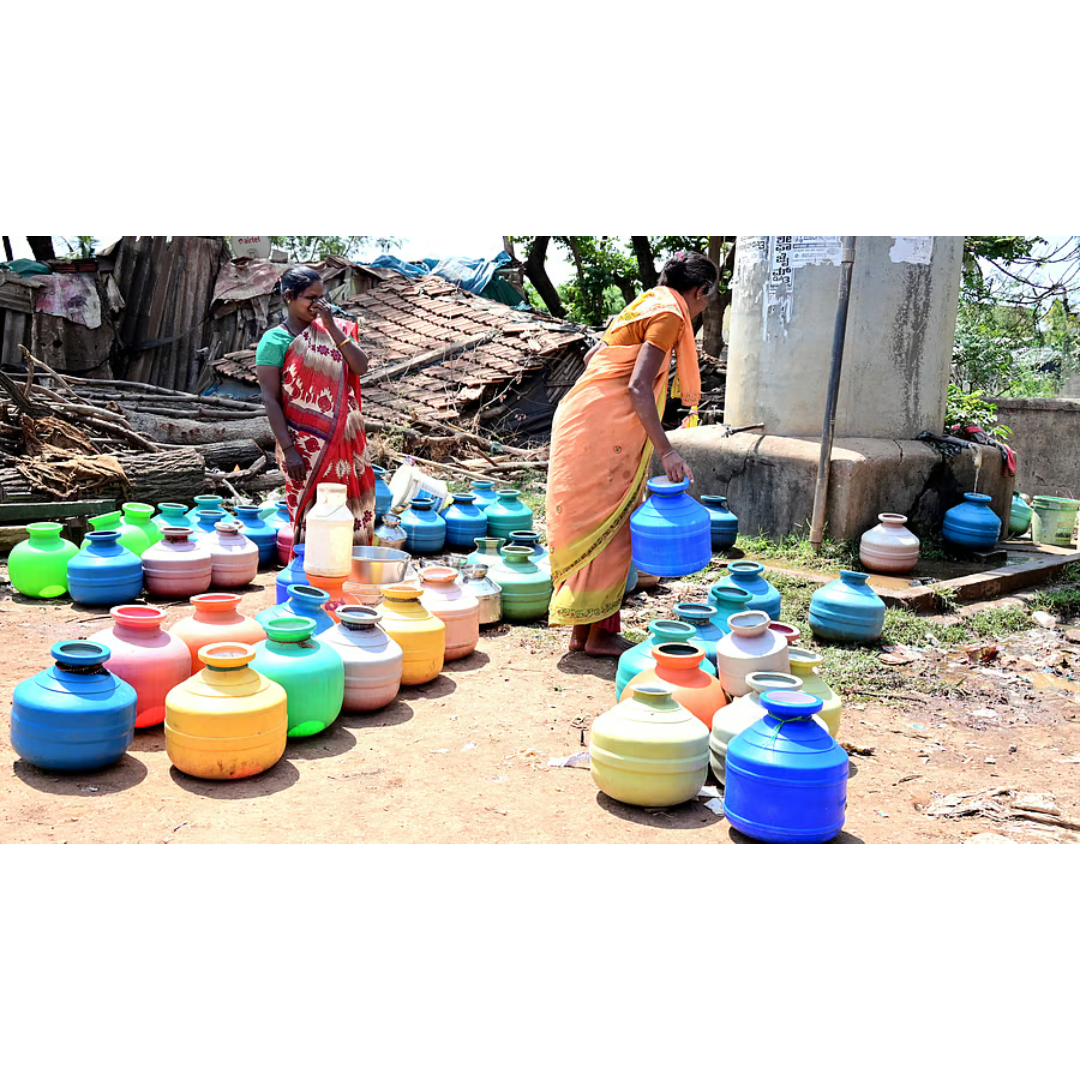
Even as summer is just setting in, as many as 284 villages in the state are reeling under drinking water crisis. The government is supplying drinking water to 230 such villages through hired borewells and another 52 with tankers.
Sources in the Rural Development and Panchayat Raj (RDPR) department informed DH that the numbers are expected to rise during the summer months of April and May. Last year, the department, based on previous years' data, had identified nearly 6,380 villages as vulnerable to drinking water crisis.
Bengaluru South (Ramanagar) (54) district has the highest number of villages facing drinking water shortage, followed by Raichur (40), Uttara Kannada (27), Tumakuru (22), Vijayanagara (18), and others. Villages in nine districts are not facing drinking water crisis at present.
The extended monsoon in 2025 has ensured that the majority of water bodies and reservoirs have sufficient water to supply drinking water in the state. RDPR Secretary Randeep D said these are preliminary numbers. "The department, in coordination with district administrations and other agencies, is constantly monitoring the situation and taking necessary steps. In the first week of April, we will take stock of the situation," he said.
Lack of water sources
One of the major reasons for nearly 6,380 villages possibly facing drinking water crisis is the lack of permanent water sources.
Speaking to DH, Rural Development and Panchayat Raj Minister Priyank Kharge said that despite implementing multi-village drinking water projects, several villages perpetually face drinking water crises because they lack permanent water sources.
"My department, in coordination with other agencies, is conducting a survey to identify all the villages that do not have permanent drinking water sources," he said.
By next year, the department will select 1,000 villages across the state and try to find a permanent solution for them, he said
He also said there are many villages where finding a permanent solution is, at present, financially and ecologically not viable. "For such villages, we may think of rehabilitation," he said.
One of the worrying factors is that even villages in Malnad and coastal districts, which receive the highest rainfall in the state, are facing drinking water scarcity.
Government data shows that at least 2,100 villages in seven Malnad districts could face drinking water crisis, followed by 1,325 villages in the parched districts of the Kalyana Karnataka region.
Randeep said the department is collecting data on all villages lacking permanent drinking water sources Initially, a multi-department team will conduct a study and identify 1,000 villages (a certain number from each district) that lack permanent water solutions.
"Currently, these villages get water for three or four months a yea and must wait for monsoon rains to recharge their only water sources. We are exploring multiple ways to ensure these habitations receive good drinking water throughout the year," he said
He added that this is a multi-year project, which is still at a theoretical level.