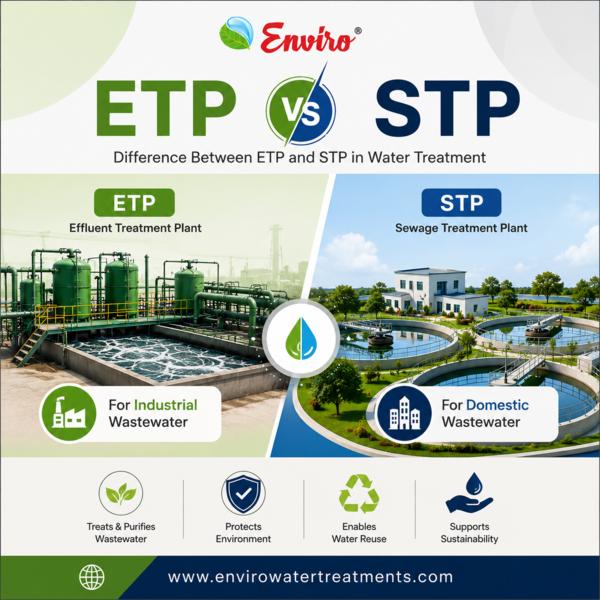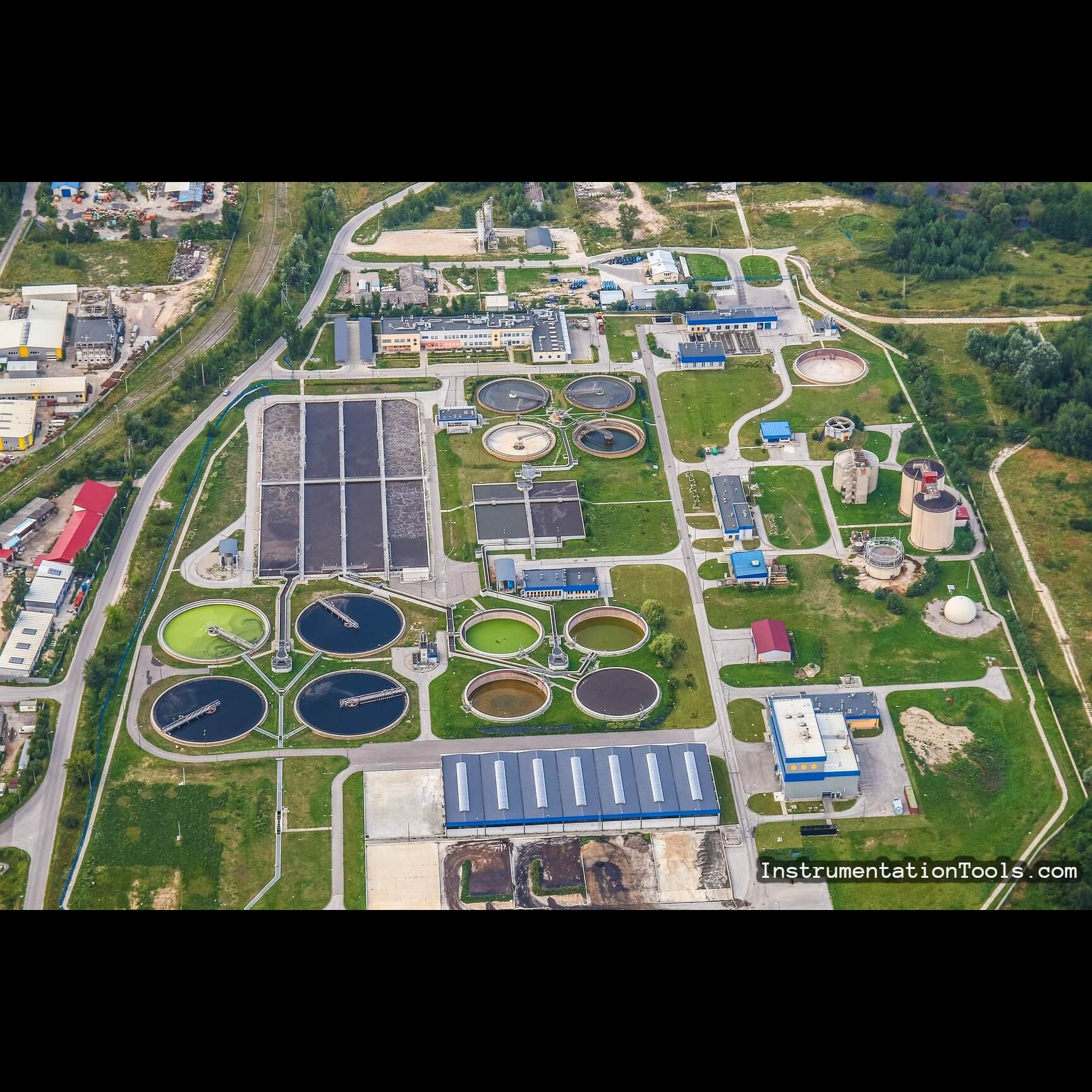
What is a Sewage Treatment Plant ?
We all drink and take showers with recycled water, which may surprise you. Sewage treatment (also known as household waste water treatment or municipal waste water treatment plants) transforms the water we flush down the toilet into drinkable water that can be released into rivers and the ocean or used by humans. Waste water from restrooms, laundry machines, showers, sinks, and other equipment must be disposed of somewhere.
It travels through kilometers of drain network before arriving at sewage treatment plants, which are responsible for treating and releasing it. Waste water, also known as used water, exits homes via pipes put in during plumbing and travels to drains that are either constructed by the homeowner or a municipally established drain facility.
How does a sewage treatment plant work?
Wastewater is put through several stages of treatment at sewage treatment facilities. Following initial filtering, waste water is treated in three main stages: primary, secondary, and tertiary. The third stage is set aside for shine. It is a sustainable way to turn waste water into drinkable water.
Preliminary treatment
Raw sewage pre-treatment is referred to as preliminary waste water treatment. Its primary function is to extract the large, coarse materials from the raw sewage. Floating solids, rags, dust, oil, and grease are among the materials that were evacuated. The primary setup receives the collected raw sewage from the waste drain water. Additionally, the flowing wastewater is treated by primary, secondary, and tertiary refiners to make it reusable after screening.
Secondary treatment
The biological treatment stage known as secondary treatment breaks down wastewater's non-chemical contaminants. Filter beds (sewage tricked over accumulation) and activated sludge (aerated ponds) are the two most often utilized processes, where the bacteria in the wastewater are broken down by the “good“ bacteria in the sludge (mud). Wastewater may occasionally be free following secondary treatment, assuming there is no danger to people, animals, or the environment.
Tertiary treatment
After secondary treatment, waste water is regarded as polished; however, tertiary treatment restores it to an even higher standard for discharge in protected waterways. The waste water is activated by the method of tertiary treatment. Suppose, for instance, that waste water should be discharged into shower or crawfish waters. If so, it must be sterilized and any helpful elements in the water, such as phosphorus, must be isolated.
Types of tertiary treatment include:
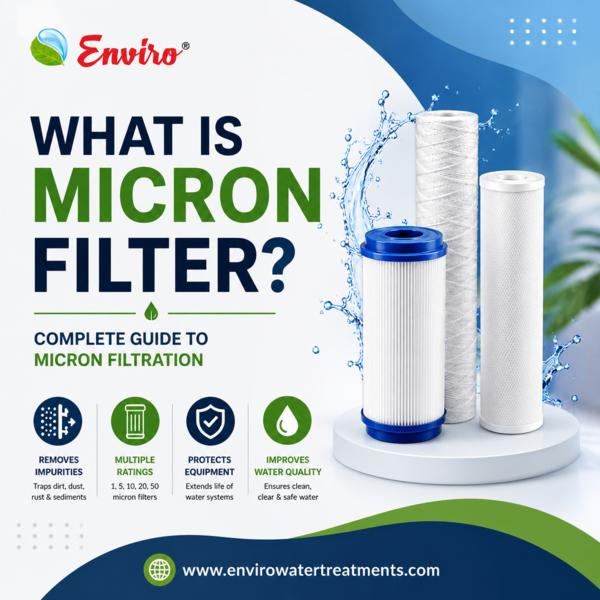
Microfiltration (where water goes through tiny holes at high pressure).
Ion exchange (where ions in the water are swapped for other ions).
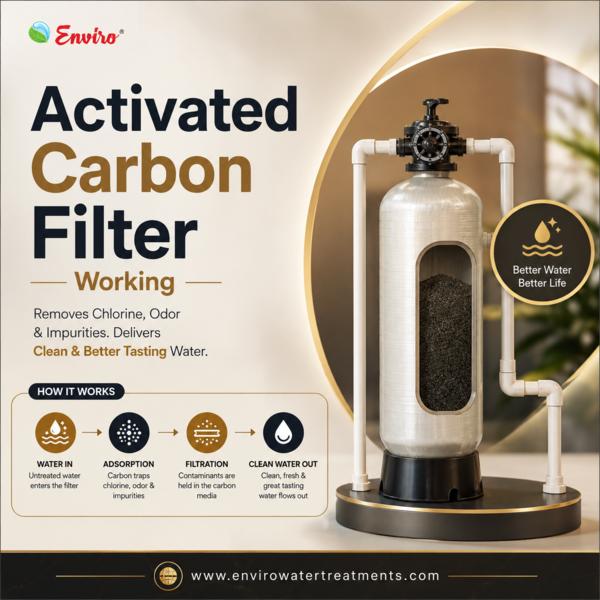
Activated carbon adsorption (which removes the biotic).
Disinfection (where UV light or chemicals kill biotic pathogens excess).
Ion exchange (where ions in the water are swapped for other ions).
Activated carbon adsorption (which removes the biotic).
Disinfection (where UV light or chemicals kill biotic pathogens excess).
Disinfection
Disinfection of treated sewage focus to kill pathogens (disease-causing microorganisms) earlier to disposal. It is progressively effective after more portions of the foregoing treatment succession have been completed. The reasons of disinfection in the treatment of sewage is to significantly reduce the amount of pathogens in the water to be released back into the environment or to be reutilize.
The effectiveness of disinfection released on the quality of the water being treated (e.g. turbidity, pH, etc.), the type of disinfection being used, the disinfectant measure (industry and time), and other environmental changes Water with high impure will be treated less successfully, since solid matter can target living things, mainly from ultraviolet light or if union times are low. Generally, short contact times, low doses and high flows all resist against productive disinfection. familiar methods of disinfection involve ozone, chlorine, ultraviolet light, or sodium hypochlorite. Monochloramine, which is used for drinking water, is not used in the usage of sewage because of its determination.