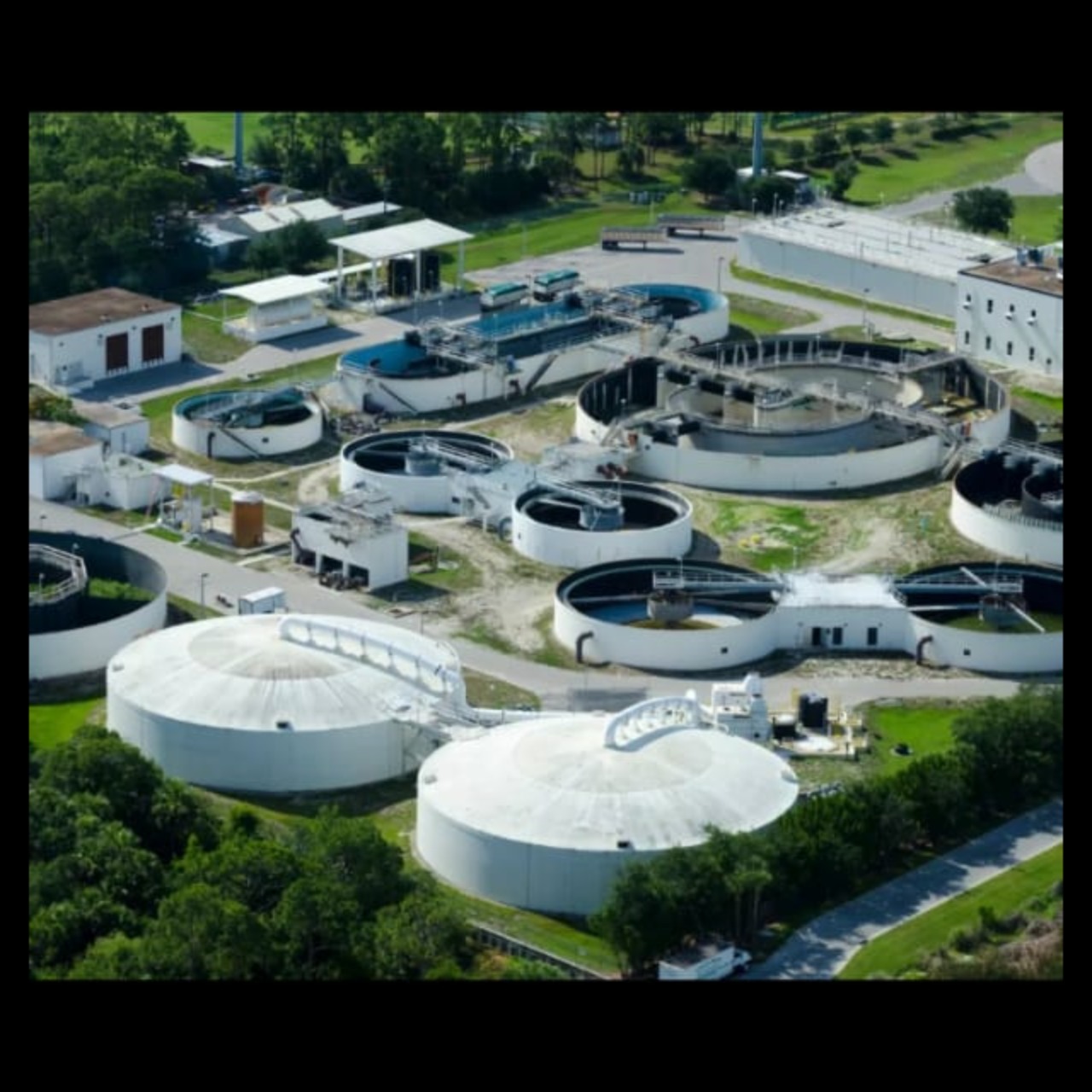
Water Treatment Plant (WTP)
Main Processes in a Water Treatment Plant
Screening – Removes large debris like leaves, plastics, and stones.
-
Coagulation & Flocculation – Chemicals are added to bind fine particles into larger flocs.
-
Sedimentation – Heavy flocs settle at the bottom and are removed.
-
Filtration – Water passes through sand, gravel, or activated carbon to remove remaining impurities.
-
Disinfection – Chlorine, UV, or ozone kills harmful bacteria and viruses.
-
Storage & Distribution – Treated water is stored and supplied for use.
Importance of a Water Treatment Plant
Provides safe drinking water
-
Prevents waterborne diseases
-
Improves taste, color, and odor of water
-
Protects public health and the environment
-
Supports industrial and domestic needs
Applications
Municipal drinking water supply
-
Industrial water treatment
-
Commercial buildings
-
Rural and urban water systems
Advantages of a Water Treatment Plant
Safe Drinking Water
Removes harmful bacteria, viruses, and contaminants, making water safe for human consumption.-
Prevents Waterborne Diseases
Reduces the risk of diseases like cholera, typhoid, and dysentery. -
Improves Water Quality
Enhances taste, odor, color, and clarity of water. -
Removes Harmful Chemicals
Eliminates suspended solids, heavy metals, and toxic substances. -
Protects Public Health
Ensures a reliable supply of clean water for communities and industries. -
Supports Industrial & Commercial Use
Provides treated water suitable for boilers, cooling systems, and manufacturing processes. -
Environmental Protection
Reduces pollution by ensuring proper treatment before water use or discharge. -
Cost-Effective in the Long Run
Prevents health-related costs and reduces equipment damage caused by poor-quality water. -
Reliable Water Supply
Ensures continuous availability of treated water for daily needs. -
Compliance with Standards
Meets government and WHO water quality regulations.