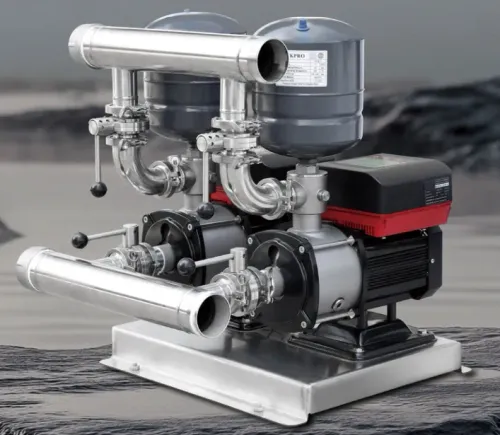
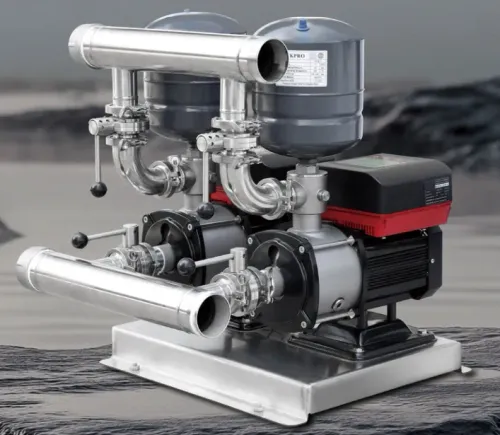
Dosing Pump
A dosing pump is a type of pump designed to deliver a precise amount of liquid or chemical into a process stream. It is frequently utilized in sectors like manufacturing, pharmaceuticals, agriculture, and water treatment.
How It Works:
A dosing pump draws a measured volume of liquid (typically a chemical or additive) and injects it into a flow of water, gas, or steam. Usually, an electric motor or air actuator powers the pump, which is managed by a digital interface or control system.
Key Components:
Pump Head: Where the liquid is drawn in and discharged.
-
Diaphragm or Piston: Moves back and forth to create suction and discharge action.
-
Check Valves: Prevents backflow and ensures precise dosing.
-
Controller: Manages the flow rate and timing of the injection.
-
Tubing or Pipe: Transports the chemical from the storage tank to the injection point.
Types of Dosing Pumps:
Diaphragm Dosing Pump: Uses a flexible diaphragm to move the liquid.
-
Piston Dosing Pump: Uses a piston mechanism for high-pressure applications.
-
Peristaltic Dosing Pump: Uses rotating rollers to compress a flexible tube, ideal for corrosive or viscous fluids.
Applications
Water and wastewater treatment
-
Chemical processing
-
Food and beverage industry
-
Agriculture (fertilizer and pesticide dosing)
-
Pharmaceutical production
Advantages:
- High precision and accuracy
- Adjustable flow rate
- Handles a wide range of fluids (from acids to viscous liquids)
- Prevents contamination due to isolated fluid path