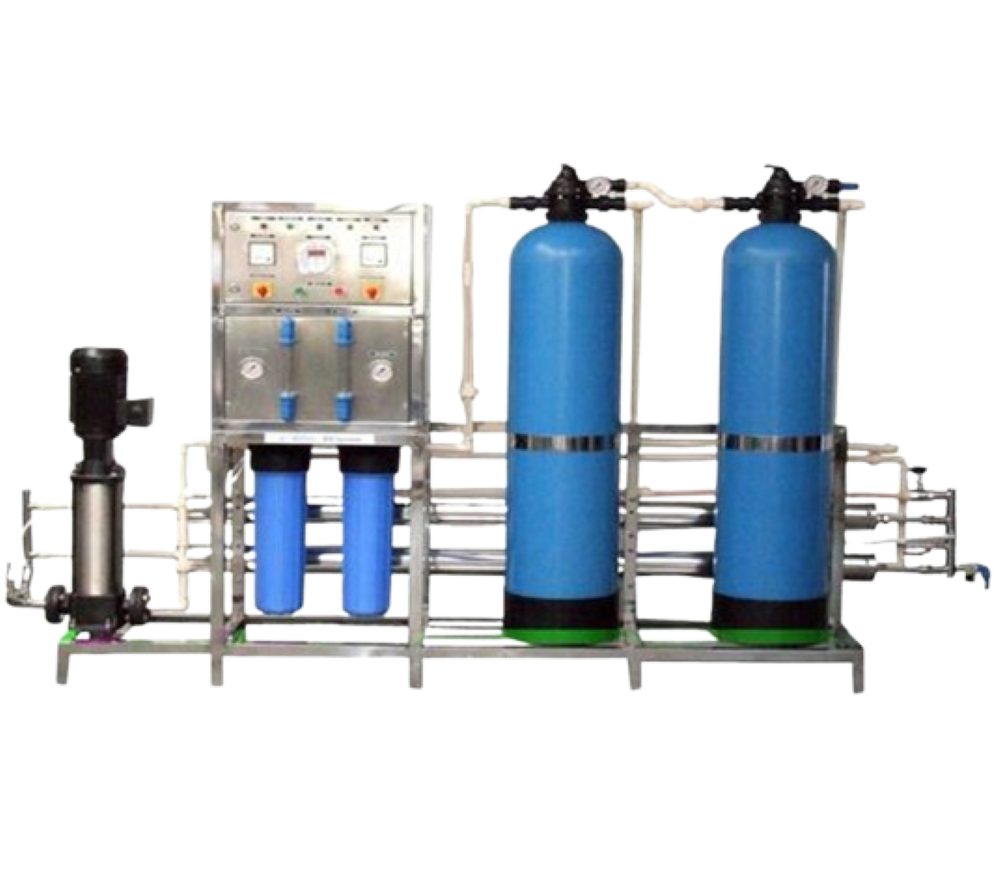
How Reverse Osmosis (RO) Water Purification Works
Introduction
Clean and safe drinking water is essential for maintaining good health. In many areas, water contains impurities such as dissolved salts, chemicals, bacteria, and heavy metals that make it unsafe for drinking. To remove these impurities, different water purification technologies are used. One of the most effective and widely used methods is Reverse Osmosis (RO).
RO systems are commonly used in homes, industries, hospitals, hotels, and commercial establishments to produce high-quality purified water.
What is Reverse Osmosis (RO)?
Reverse Osmosis is a water purification process that removes dissolved salts, impurities, and contaminants from water using a semi-permeable membrane.
In this process, water is forced through the membrane using pressure. The membrane allows only pure water molecules to pass through while blocking dissolved solids, harmful chemicals, bacteria, and other contaminants. As a result, the output water becomes clean, safe, and suitable for drinking.
How RO Water Purification Works
An RO water purification system works through multiple stages of filtration to ensure effective purification.
Pre-Filtration
Before water reaches the RO membrane, it passes through pre-filters such as sand filters, activated carbon filters, or cartridge filters. These filters remove suspended particles, dirt, sediments, chlorine, and organic impurities from the water. Pre-filtration protects the RO membrane and helps improve its lifespan and performance.
RO Membrane Filtration
The RO membrane is the main component of the system. It removes dissolved salts, heavy metals, chemicals, microorganisms, and high levels of TDS from water. Only purified water molecules pass through the membrane, while rejected impurities are discharged as waste water.
Post Treatment
After passing through the membrane, the purified water may go through additional treatment stages such as UV disinfection or mineral balancing. This step helps eliminate any remaining microorganisms and improves the quality of the purified water before storage.
Storage
Finally, the purified water is stored in a clean storage tank and is ready for use in drinking or other applications.
Benefits of RO Water Purification
- Reverse Osmosis systems offer several important benefits for water purification.
- They remove dissolved salts and reduce high TDS levels in water.
- They eliminate harmful contaminants such as heavy metals and chemicals.
- They improve the taste and odor of water.
- They provide safe and hygienic drinking water.
- They are suitable for both domestic and industrial water purification.
- Because of these advantages, RO technology is widely used in water treatment systems.
Applications of RO Water Treatment
- RO water purification systems are used in many different sectors.
- They are commonly used in residential drinking water purification systems.
- They are used in hotels, restaurants, and commercial establishments.
- Hospitals and laboratories use RO systems to maintain water purity.
- Industries use large RO plants for water treatment processes.
- They are also used in packaged drinking water production units.
- Large capacity RO plants such as 250 LPH, 500 LPH, and 1000 LPH systems are commonly used for commercial and industrial applications.
Conclusion
Reverse Osmosis is one of the most effective water purification technologies available today. It removes dissolved impurities, harmful chemicals, and contaminants to provide clean and safe drinking water.
With proper filtration stages and regular maintenance, RO systems can deliver reliable water purification for homes, businesses, and industries. Using a good quality RO system ensures access to safe, hygienic, and high-quality drinking water every day.