Karnataka planning panel pushes for water security
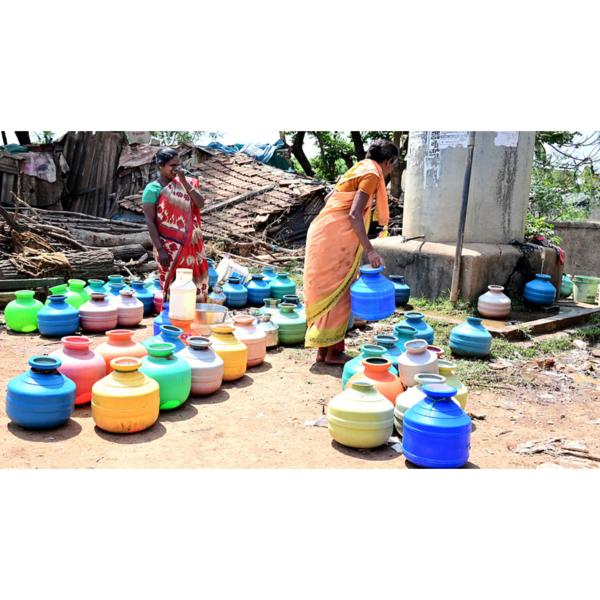
Bengaluru: Amid looming fears of yet another water-scare summer, the Karnataka State Policy and Planning Commission has flagged serious concerns over the depletion of groundwater across the state.
Out of the 236 taluks, 45 taluks have been classified as 'overexploited' in terms of groundwater extraction. Another 15 taluks face 'critical' levels and 33 'semi-critical' levels.
Against this backdrop, the Commission has mooted climate and water mitigation measures in its latest report submitted to Chief Minister Siddaramaiah for consideration in the state Budget, likely to be tabled on March 6.
Karnataka has 2,531 micro-watersheds, around 36,000 lakes, nearly 25 lakh borewells and about 19 lakh hectares of cultivable land, yet a significant area remains drought-prone, making the state among the most vulnerable after Rajasthan.
The Commission's report noted that the number of groundwater-stressed taluks has doubled over the years due to excessive extraction. Commission Vice-Chairman B R Patil, while highlighting the scale of climate impact, said the state lost Rs 1.22 lakh crore due to floods and droughts between 2015 and 2021.
Karnataka witnessed moderate warming between 1985 and 2015, with the maximum temperature increase ranging from 0.18°C to 0.61°C, while minimum temperatures rose by 0.3°C to 0.65°C. The last decade has been the warmest so far, with parts of north Karnataka recording 45.4°C. A November 2024 study has projected a further 2°C to 2.5°C rise in temperatures across north and central Karnataka over the next decade, cautioned the panel.
Climate variability has led to losses in agriculture and horticulture, besides damaging buildings and water and sanitation infrastructure. To address desertification risks in the northern belt, the panel proposed a 350-km "green wall" from Belagavi to Bidar through large-scale afforestation and agroforestry.
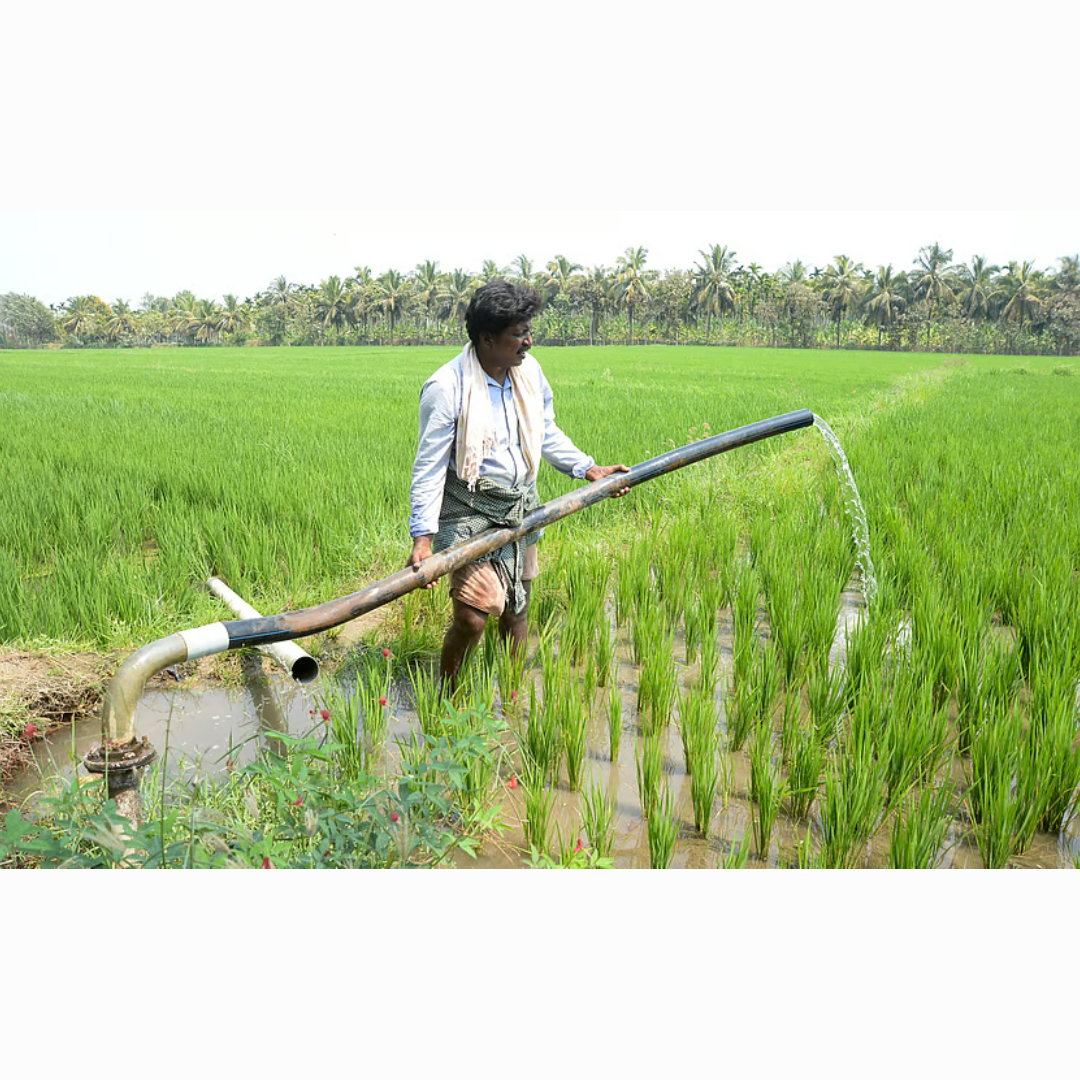
Mooting district-level weather maps and telemetric rain gauge data to issue advisories to farmers on crop planning, soil moisture management and irrigation scheduling, Patil said, "Integration of weather and agricultural intelligence could reduce pesticide and fertiliser usage by 15–25%, save 20–30% irrigation water, and reduce yield losses from extreme weather by 10–15%, while also lowering greenhouse gas emissions through reduced diesel and electricity consumption."
Noting that 234 major mining leases and 4,319 minor leases are operational in the state, the panel called for stronger environmental impact assessments, structural integrity audits of abandoned mines and digital monitoring of air pollution, groundwater contamination, ground vibration and radiation through CSR funds and the District Mineral Foundation.
Measures for Bengaluru With Bengaluru facing recurring summer water stress the panel has recommended installing low-cost measuring devices at borewells and water tankers to track extraction and consumption while proposing a monitoring framework to measure crop-wise water use and improve irrigation efficiency. The report added that the State Water Policy-2019 has shifted focus from supply-side to demand-side water management, stressing that integrating climate science, groundwater governance and farm-level planning will be critical to safeguarding Karnataka’s agriculture and water security amid rising climate risks. Measures for Bengaluru With Bengaluru facing recurring summer water stress the panel has recommended installing low-cost measuring devices at borewells and water tankers to track extraction and consumption while proposing a monitoring framework to measure crop-wise water use and improve irrigation efficiency. The report stressed real-time monitoring of surface water groundwater and tertiary treated wastewater including installation of flow meters to measure pumping and consumption at the user level. It recommended involving borewell service providers introducing water budgeting at the gram panchayat level and launching 'Know Your Borewell' programmes. Startups have Startups have been encouraged to prepare borewell health cards in stressed regions.