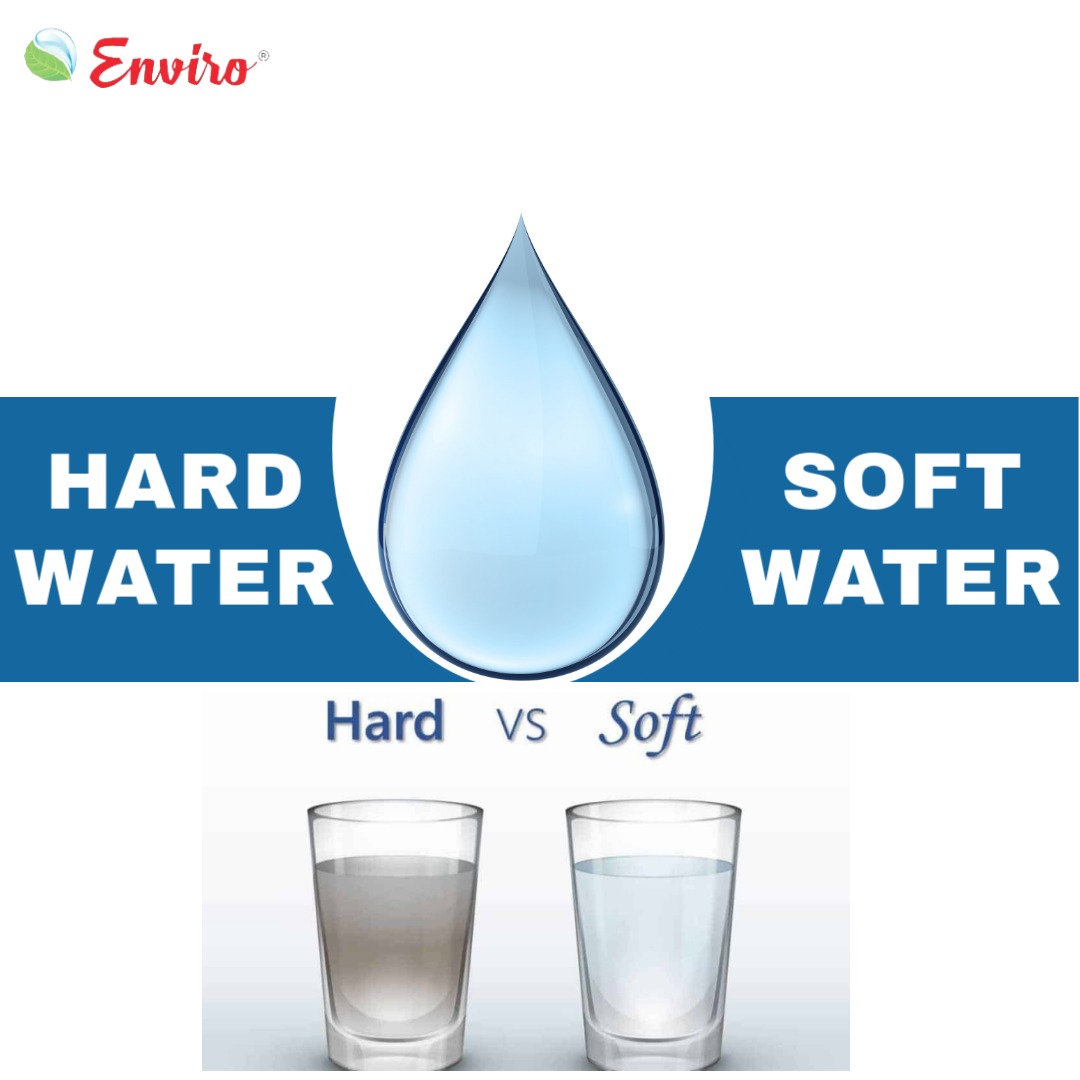
Hard Water V/S Soft Water
What is Hard Water ?
High concentrations of minerals, especially calcium and magnesium, are referred to as hard water. These minerals can shorten the lifespan and efficiency of plumbing fixtures, appliances, and pipes by causing scaling or buildup. Hard water can also leave stains or streaks on dishes and glassware and make it harder to get soap to lather.
Some common effects of hard water include:
- Soap scum and scaling
- Clogged pipes and appliances
- Spotted or streaked dishes and glassware
- Dry skin and hair
- Reduced efficiency of water heaters and other appliances
- Soft water: 0-60 ppm
- Moderately hard water: 61-120 ppm
- Hard water: 121-180 ppm
- Very hard water: over 180 ppm
What is Soft Water ?
The term "soft water" refers to water that has been treated to eliminate ions like calcium and magnesium that make it "hard." These minerals are found at lower concentrations in soft water, usually measured
- 0-60 ppm (parts per million) or mg/L (milligrams per liter)
Soft water is gentler on skin, hair, and appliances. Benefits include
- Easier to create lather with soap
- Cleaner dishes and glassware without spots
- Softer skin and hair
- Reduced scaling in pipes and appliances
- Improved efficiency and lifespan of water heaters and other appliances
- Water softeners (ion exchange systems)
- Reverse osmosis systems
- Distillation
Hard water has several disadvantages
- Scaling and buildup: Minerals in hard water can cause scaling in pipes, appliances, and plumbing fixtures, reducing their efficiency and lifespan.
- Soap scum: Hard water makes it difficult to create lather with soap, leading to soap scum buildup on skin, hair, and surfaces.
- Spots and streaks: Hard water can leave spots and streaks on dishes, glassware, and other surfaces.
- Appliance damage: Scaling can damage appliances like water heaters, dishwashers, and coffee makers.
- Skin and hair issues: Hard water can dry out skin and hair, leading to irritation and dullness.
- Increased energy bills: Scaling in pipes and appliances can increase energy consumption.
- Reduced water flow: Scaling can reduce water flow in pipes, affecting water pressure.
- Stains and discoloration: Hard water can cause stains and discoloration on surfaces like sinks, toilets, and bathtubs.
Soft water has several advantages
- Easier cleaning: Soft water creates rich lather with soap, making cleaning easier and more effective.
- Softer skin and hair: Soft water is gentler on skin and hair, reducing dryness and irritation.
- Cleaner dishes: Soft water prevents spots and streaks on dishes and glassware.
- Longer appliance lifespan: Soft water reduces scaling in appliances, increasing their efficiency and lifespan.
- Energy efficiency: Soft water reduces scaling in pipes and appliances, which can lower energy consumption.
- Reduced soap scum: Soft water minimizes soap scum buildup on surfaces, making cleaning easier.
- Better taste: Some people prefer the taste of soft water.
- Reduced maintenance: Soft water reduces mineral buildup in pipes and appliances, lowering maintenance costs.